(484) 482-8809 Appointment

Breast Augmentation

in Philadelphia

Top Doctor Main Line Today Philadelphia Top Doctor Realself Verified Doctor Haute | Beauty Contributor Top Doctor Main Line Today Philadelphia Top Doctor Realself Verified Doctor Haute | Beauty Contributor Top Doctor Main Line Today Philadelphia Top Doctor Realself Verified Doctor Haute | Beauty Contributor

Breast Augmentation

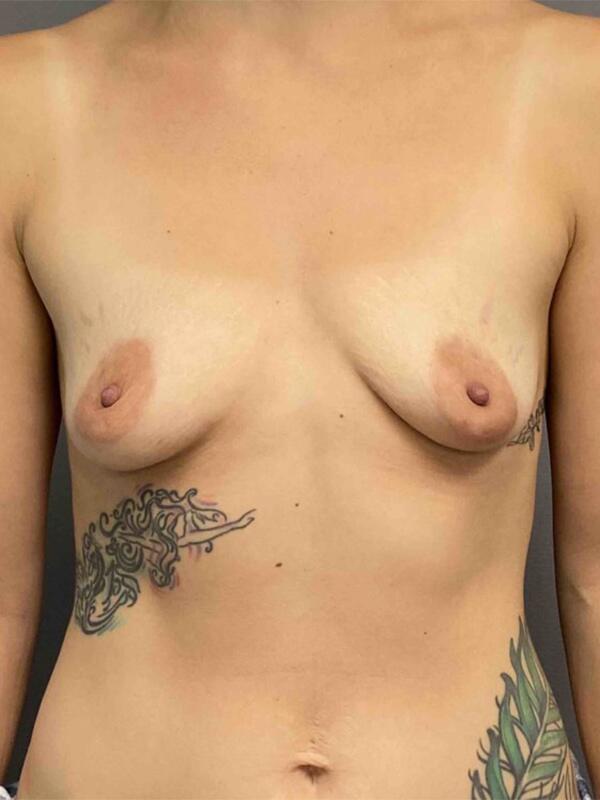
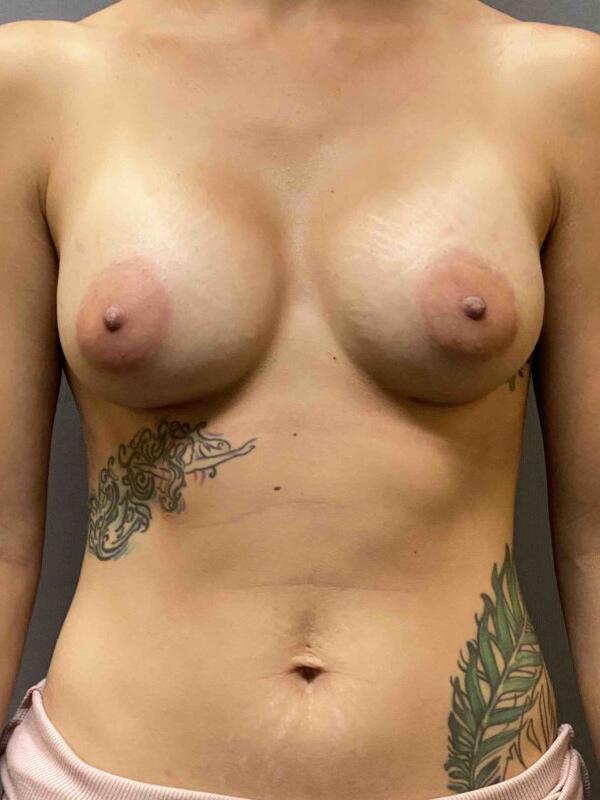
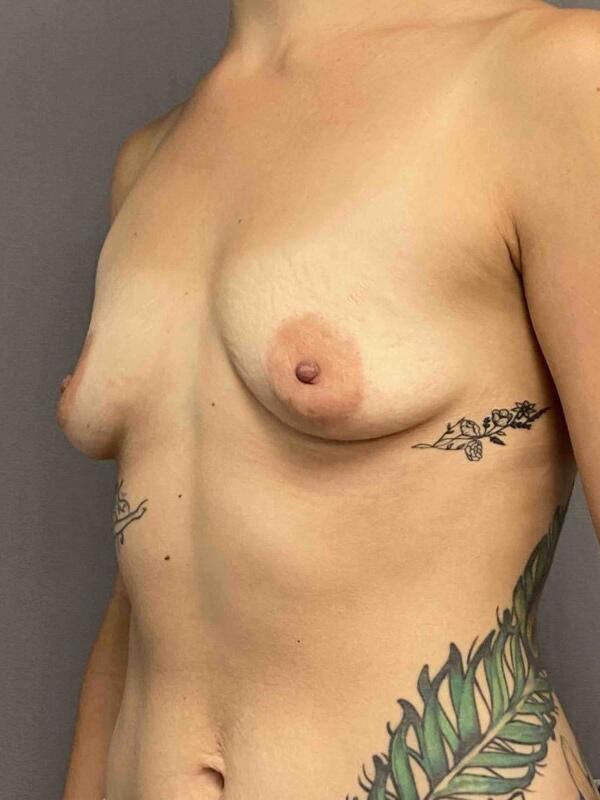
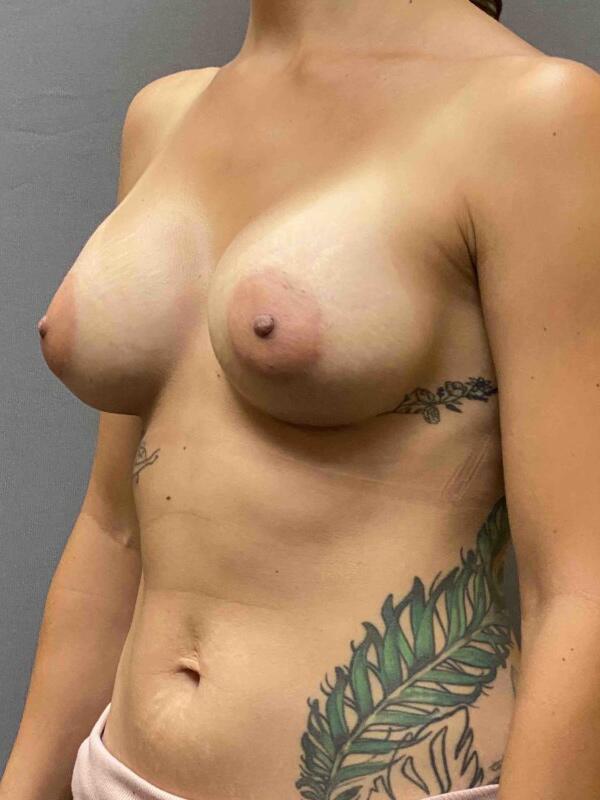
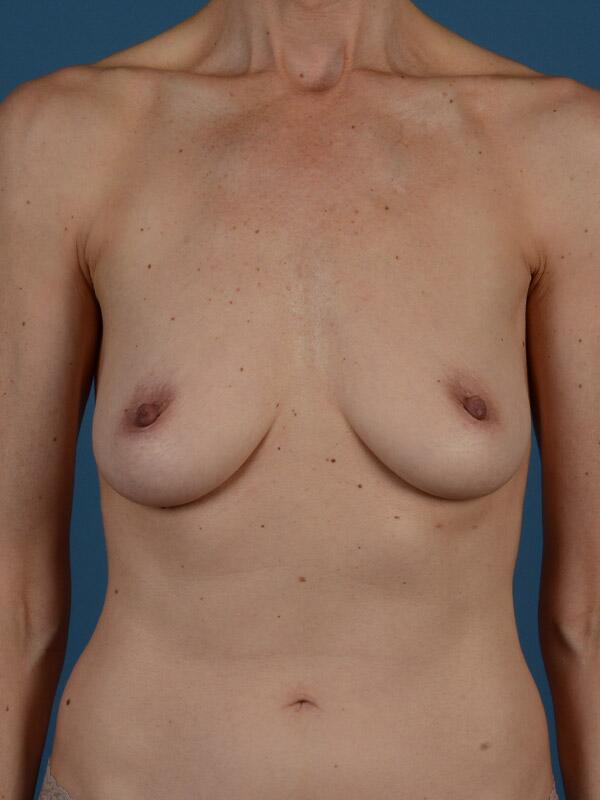
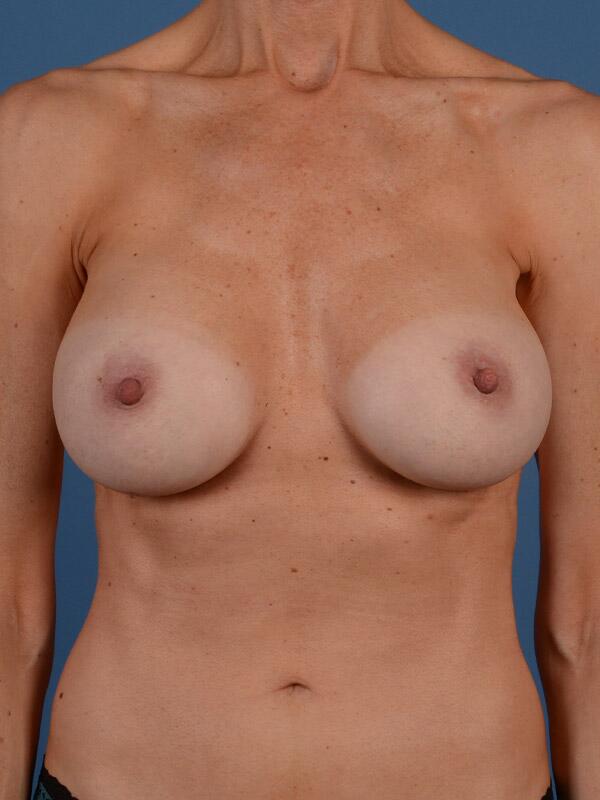
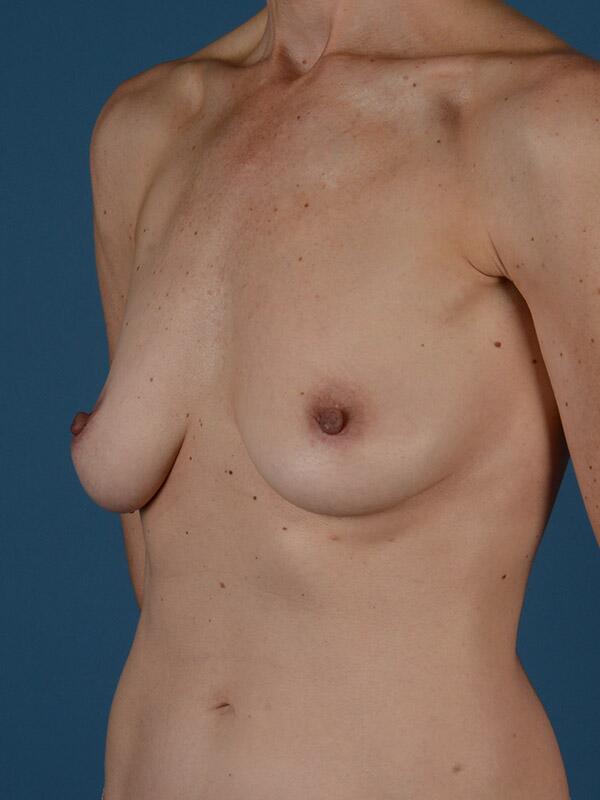
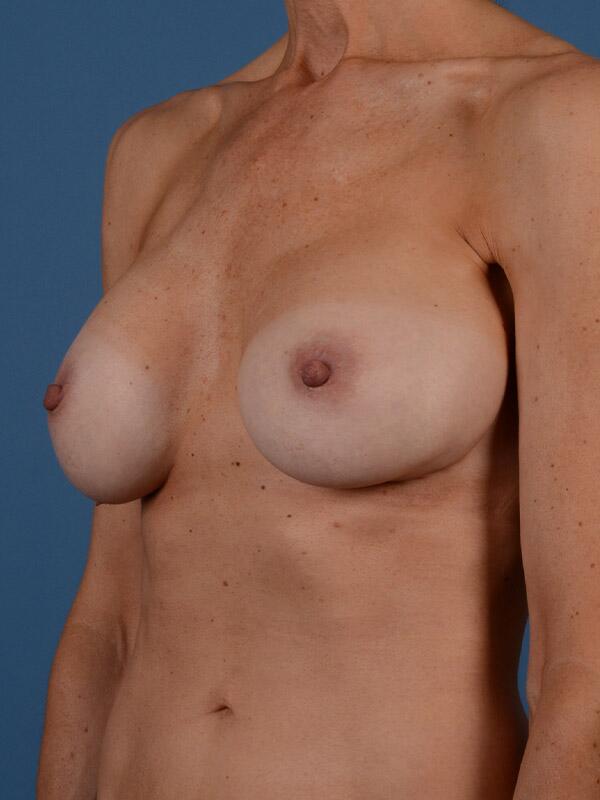
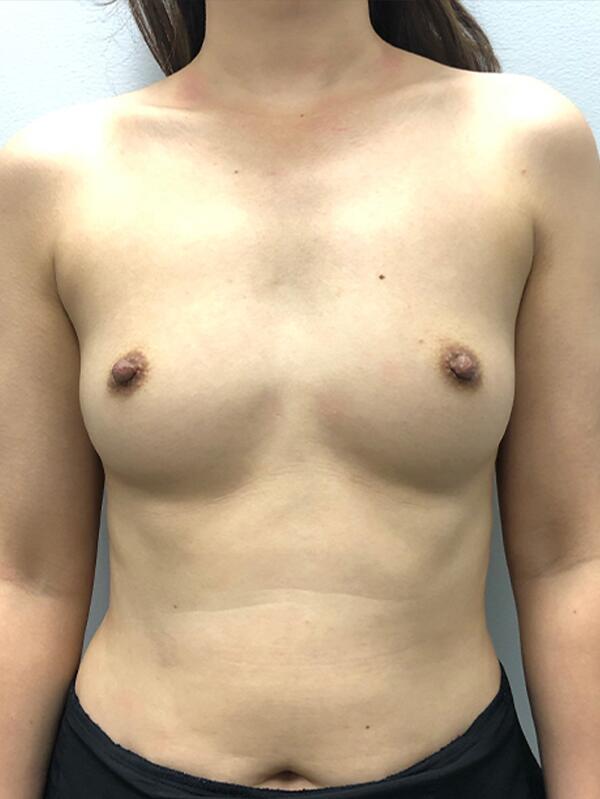
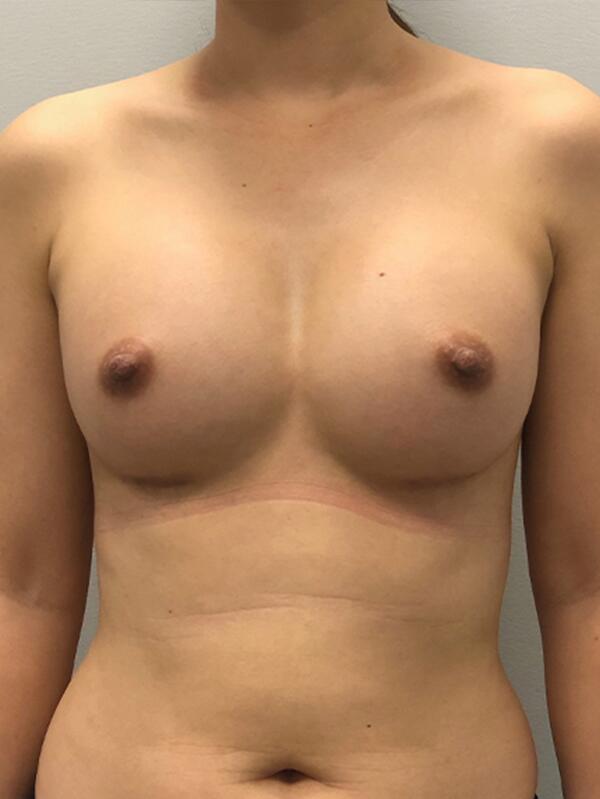
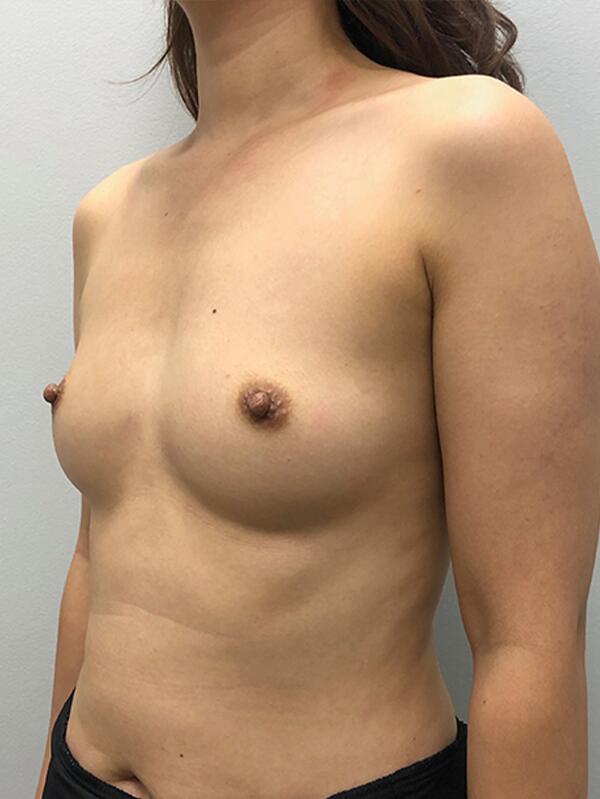
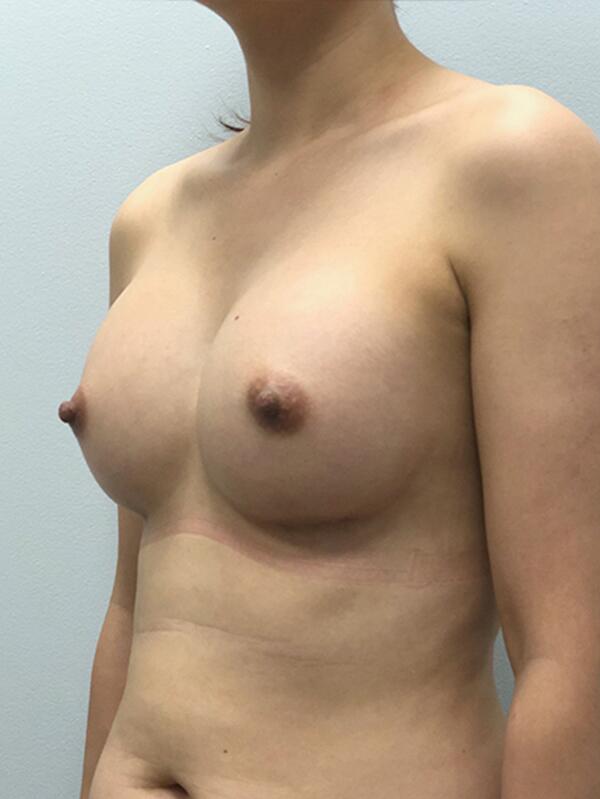
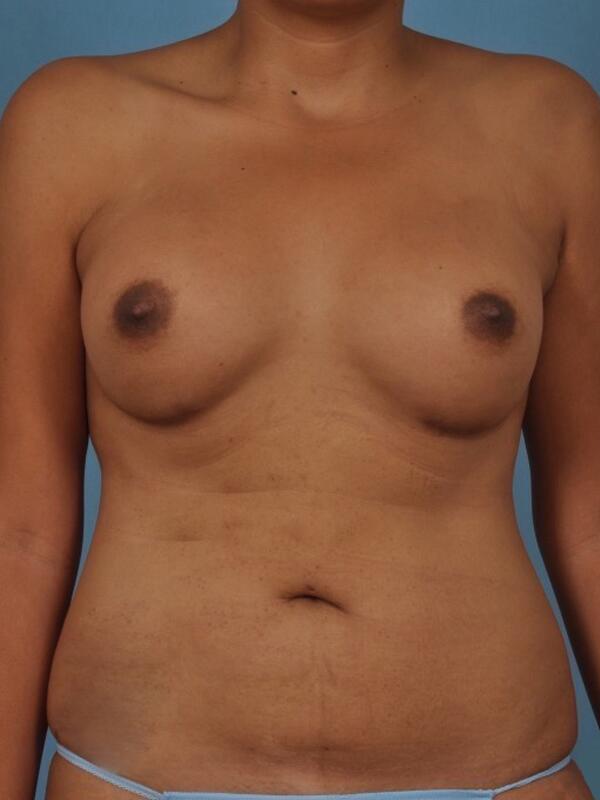
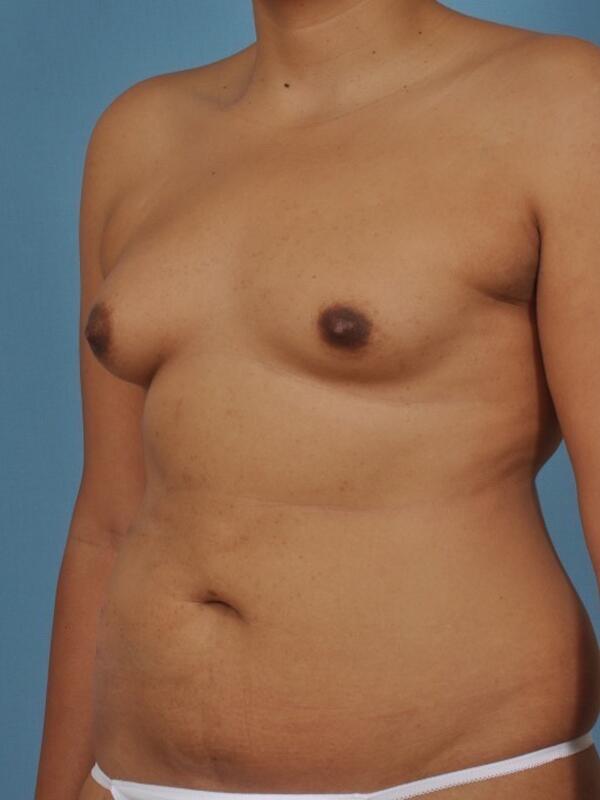
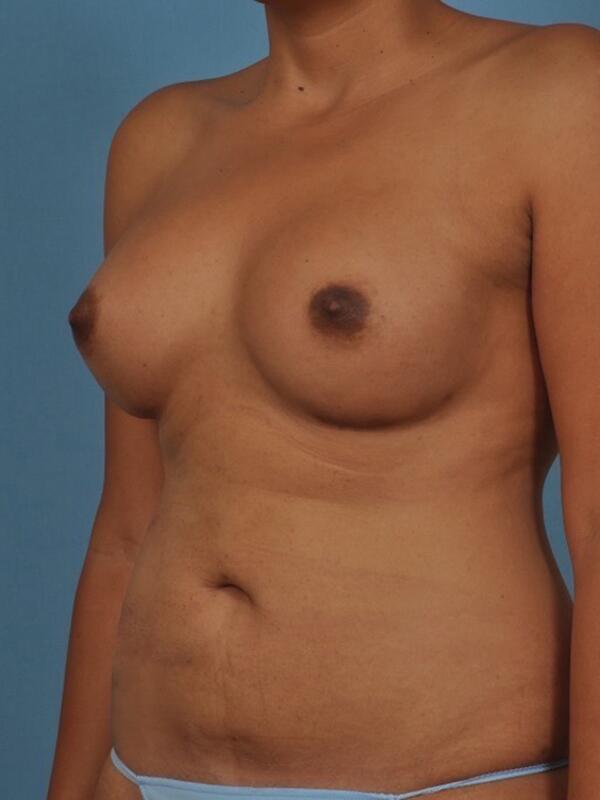
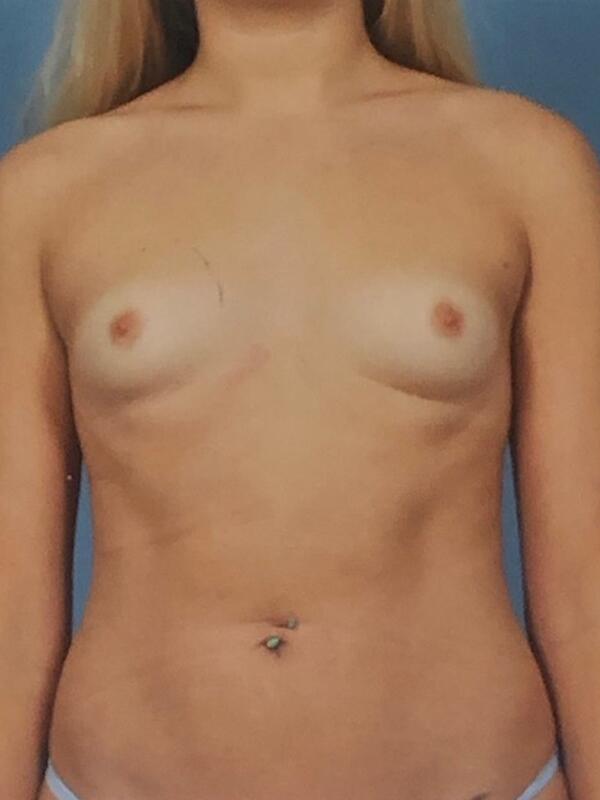
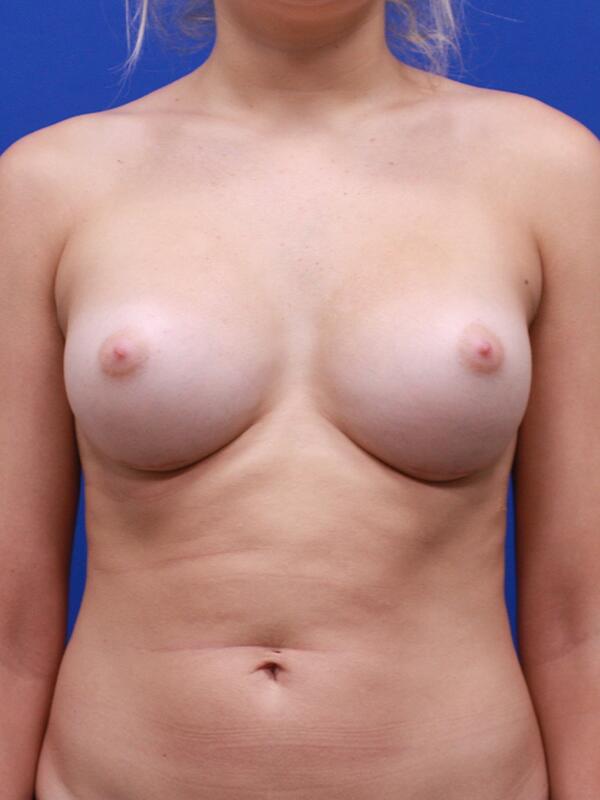
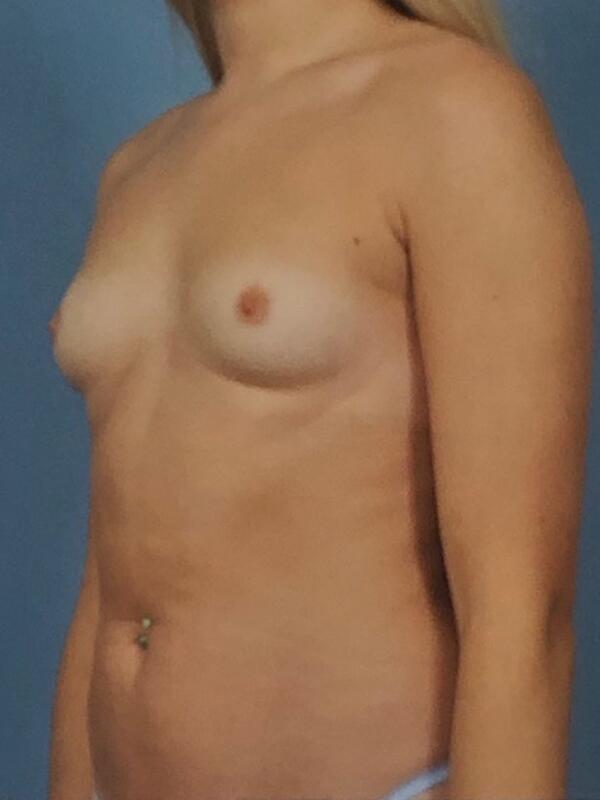
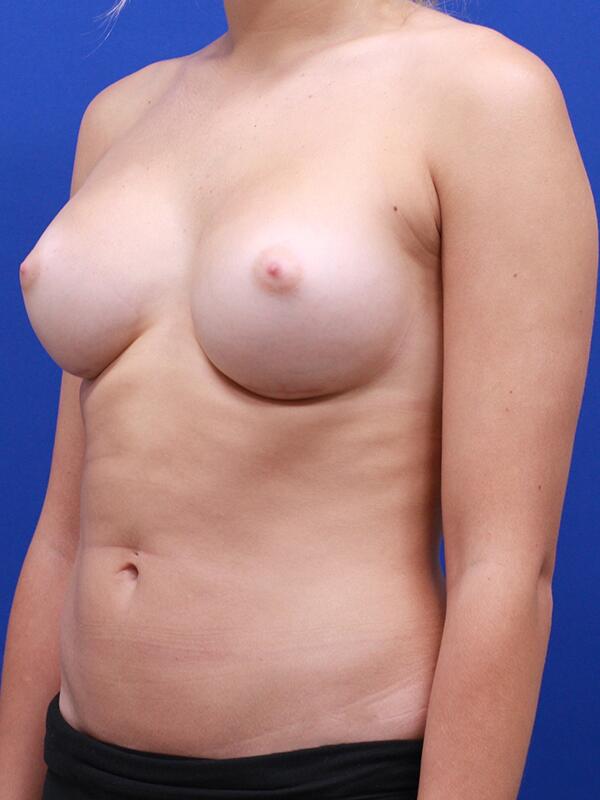
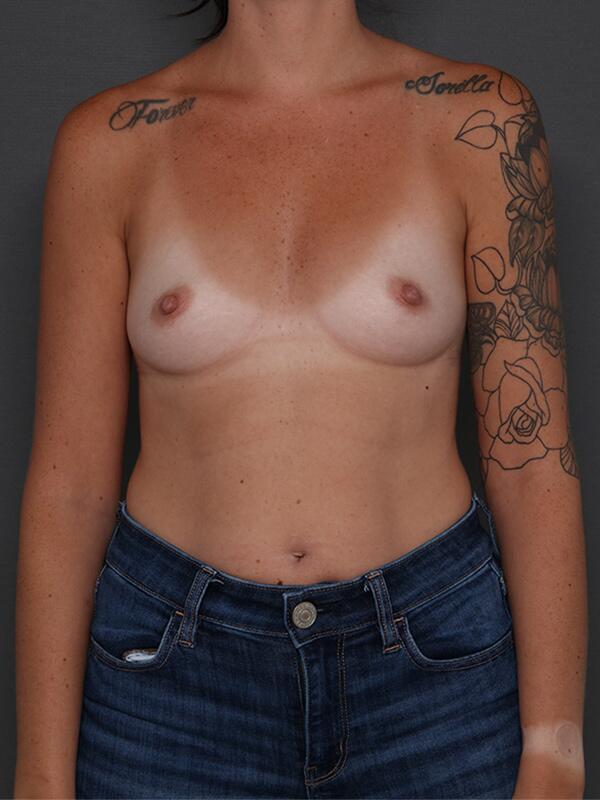
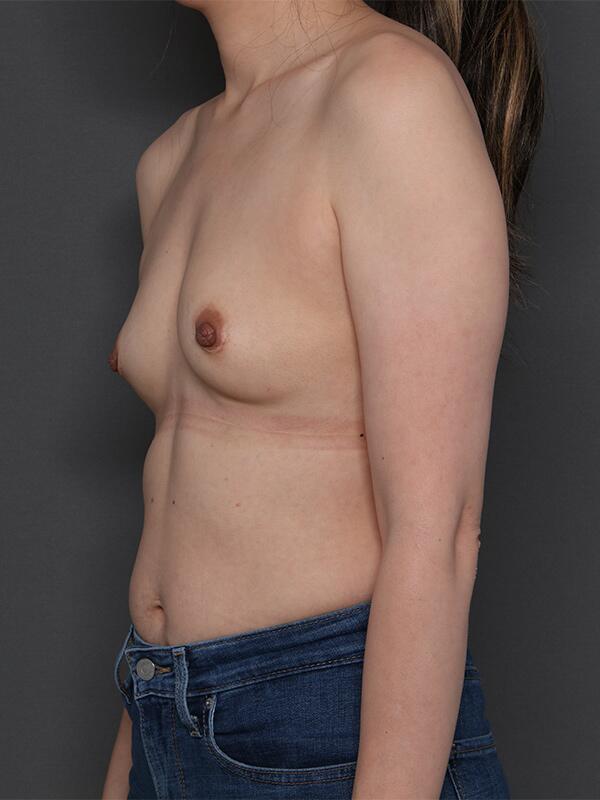
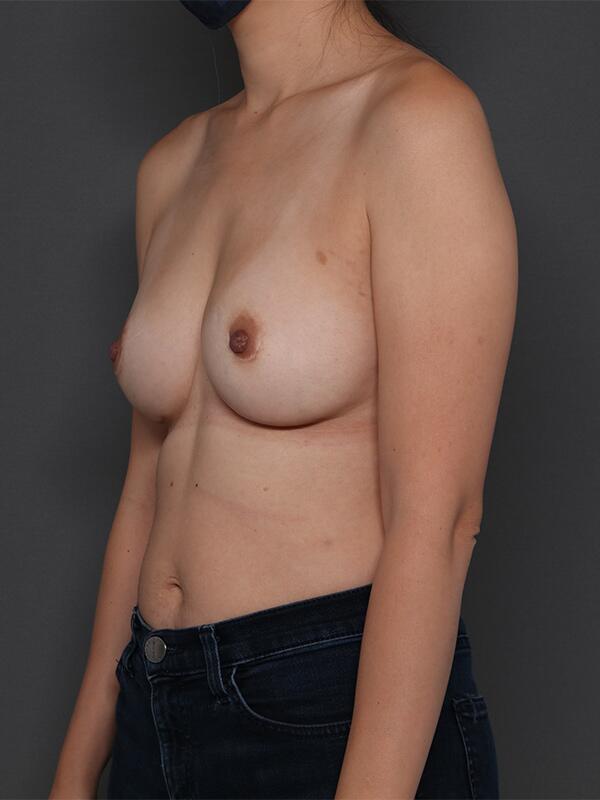
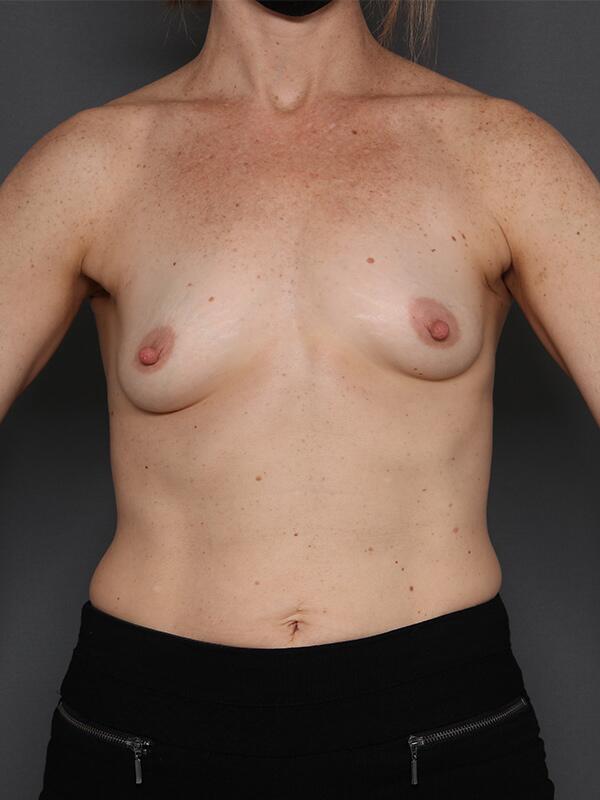
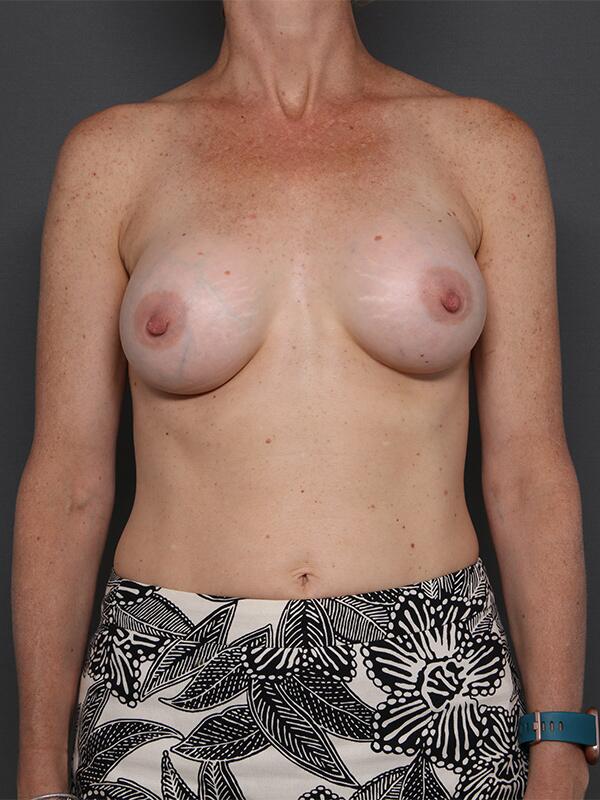
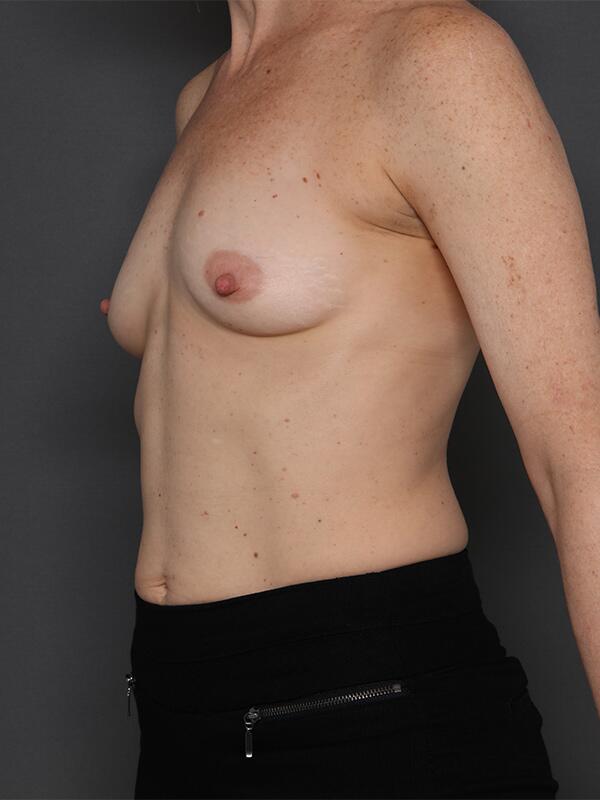
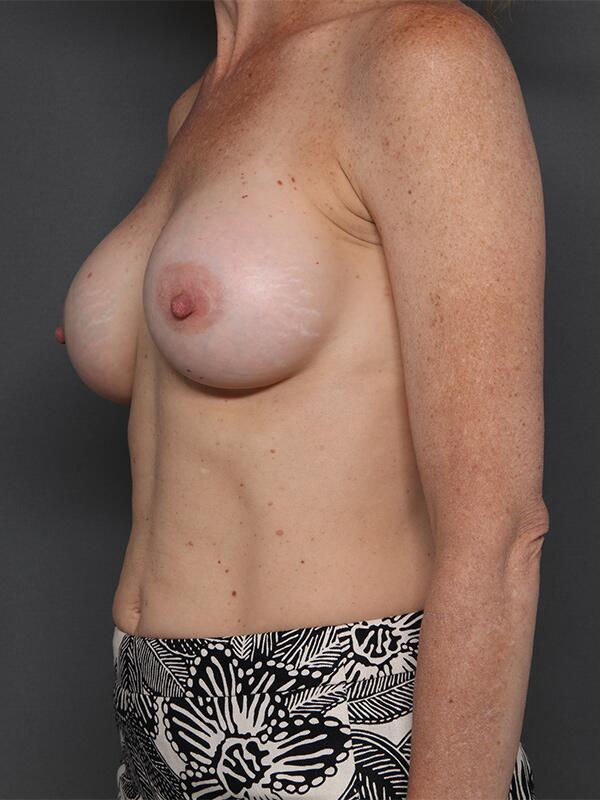
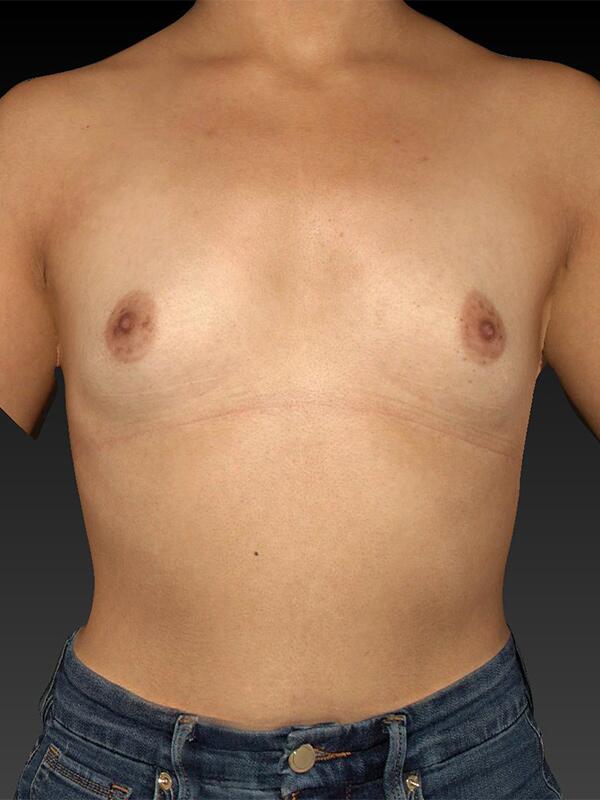
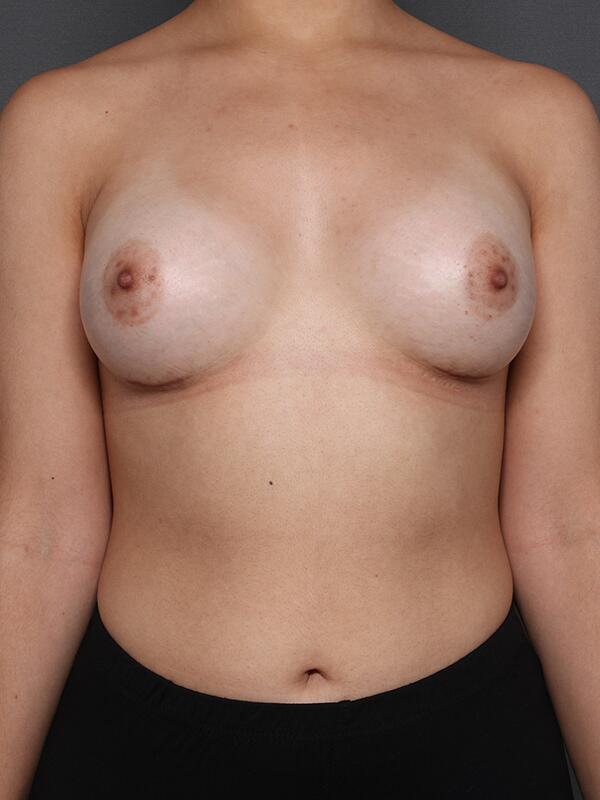
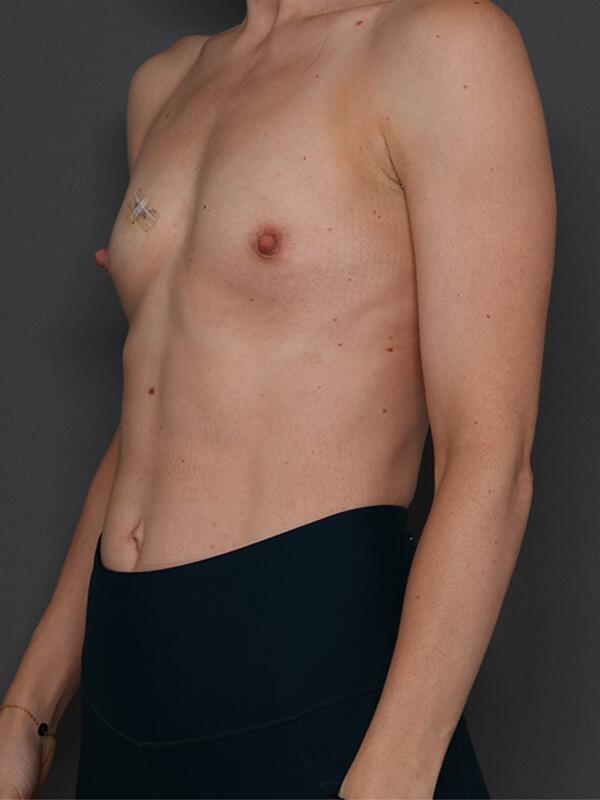
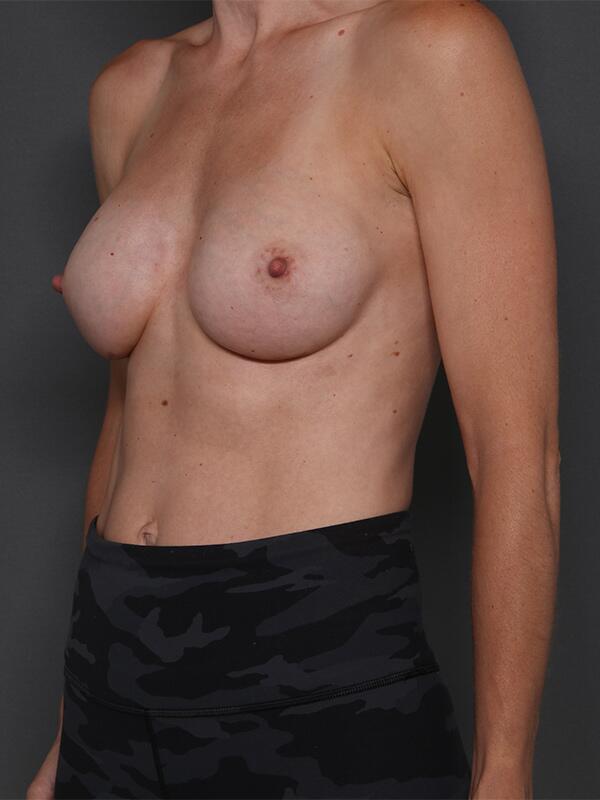
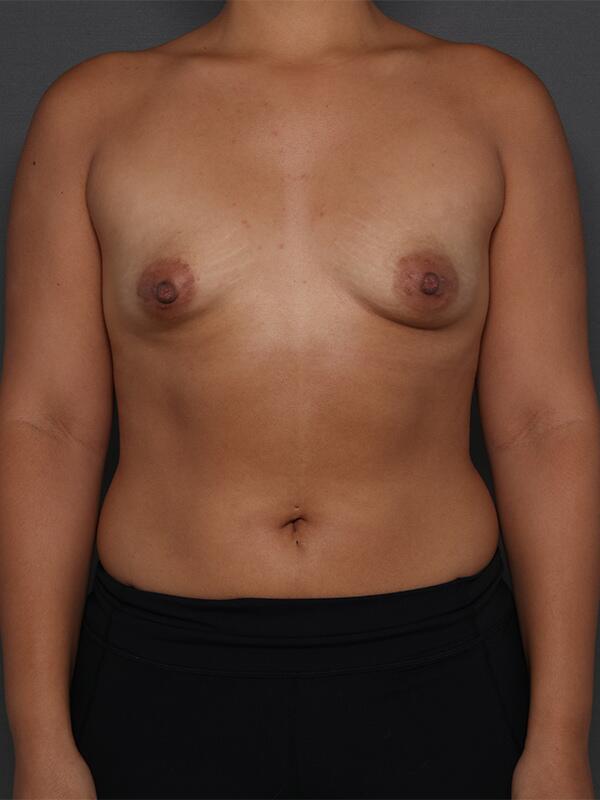
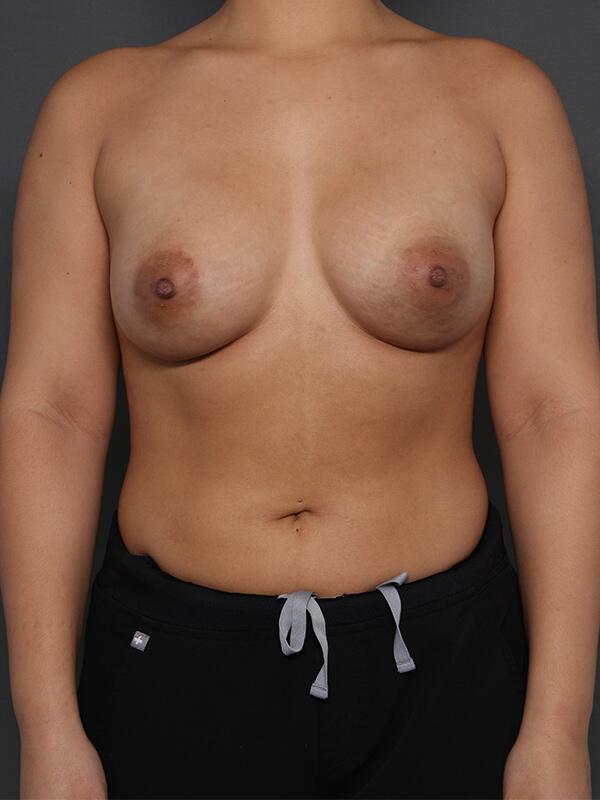
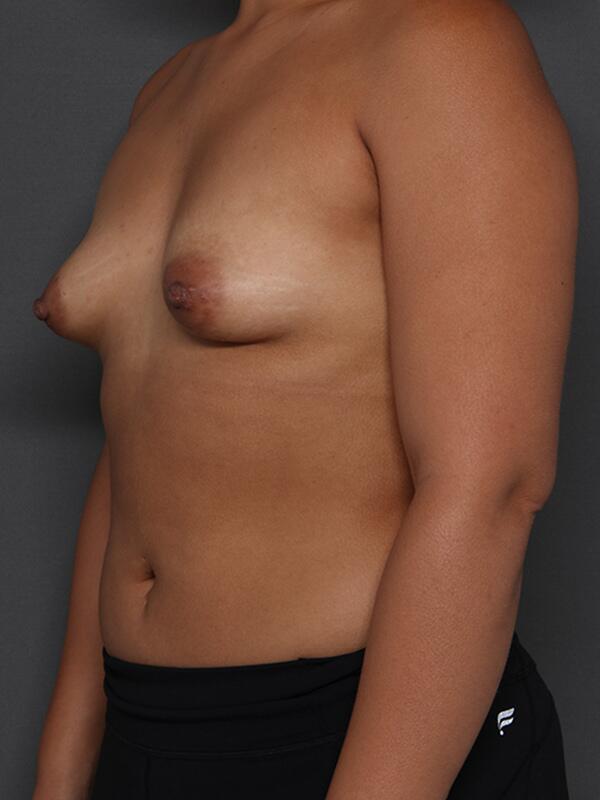
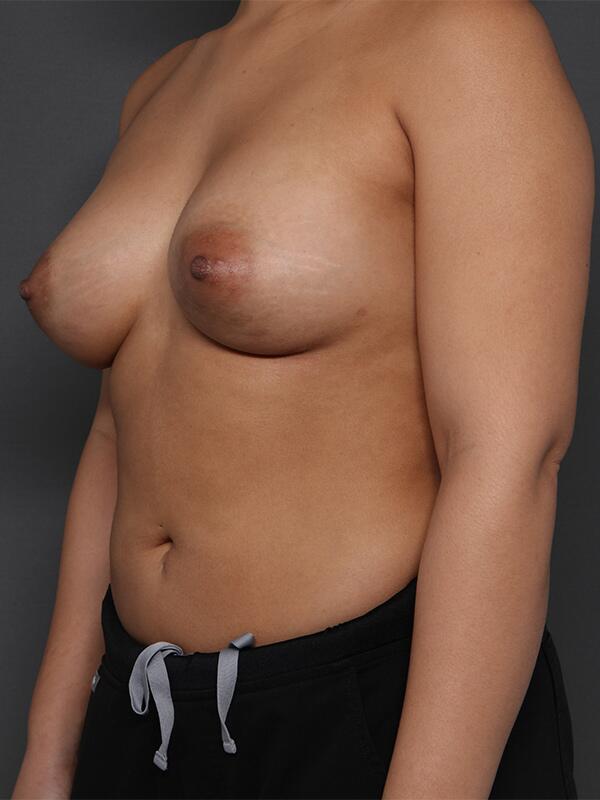
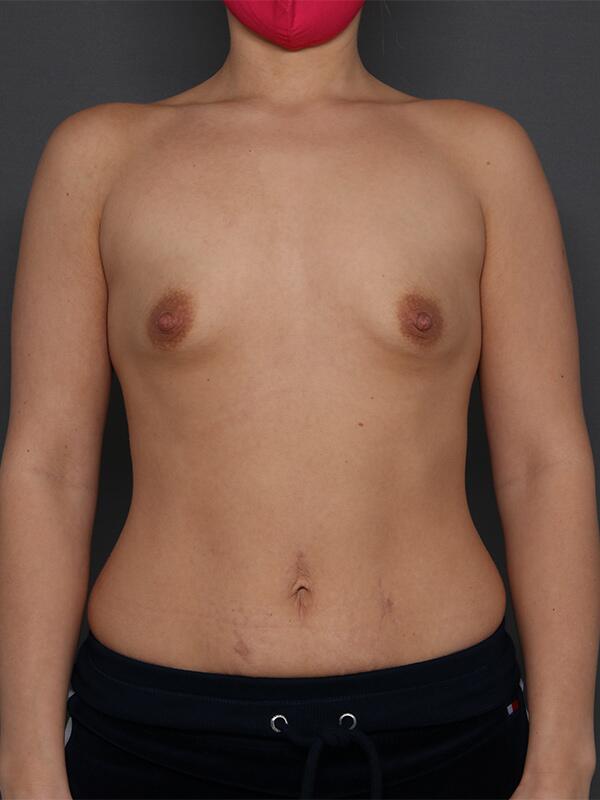
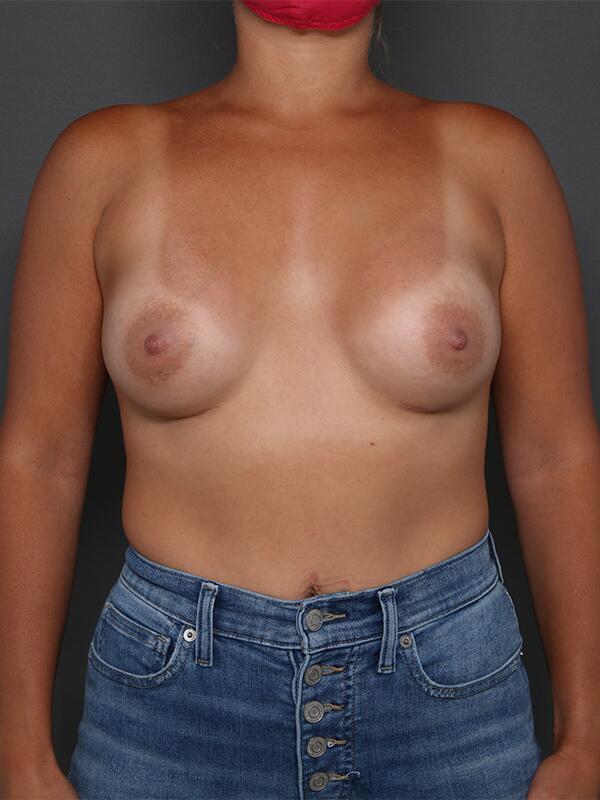
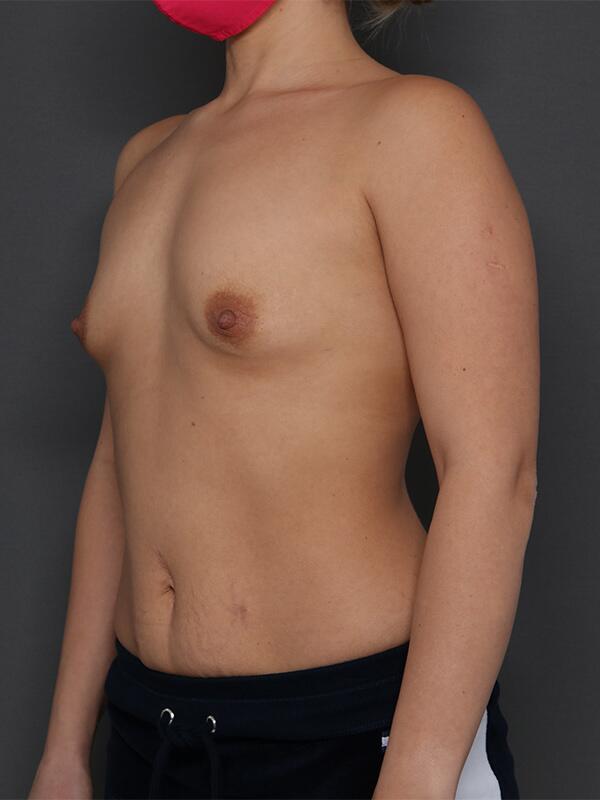
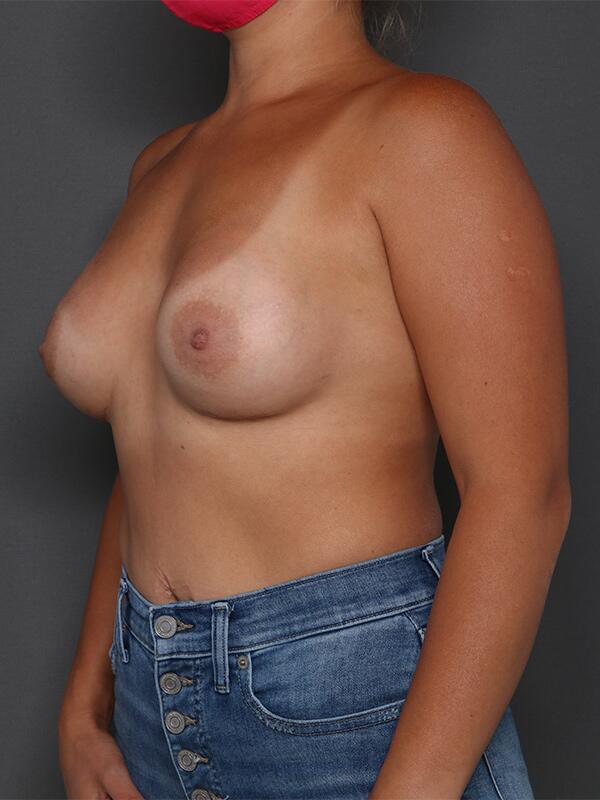
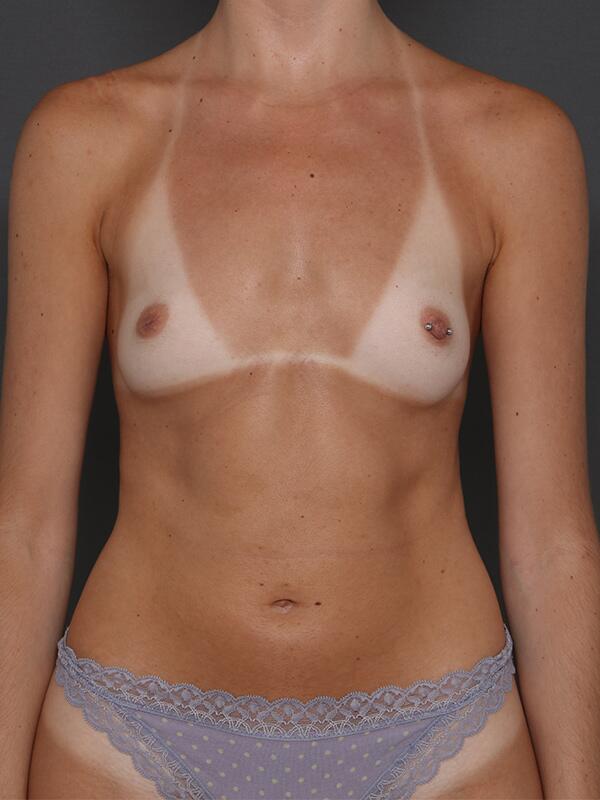
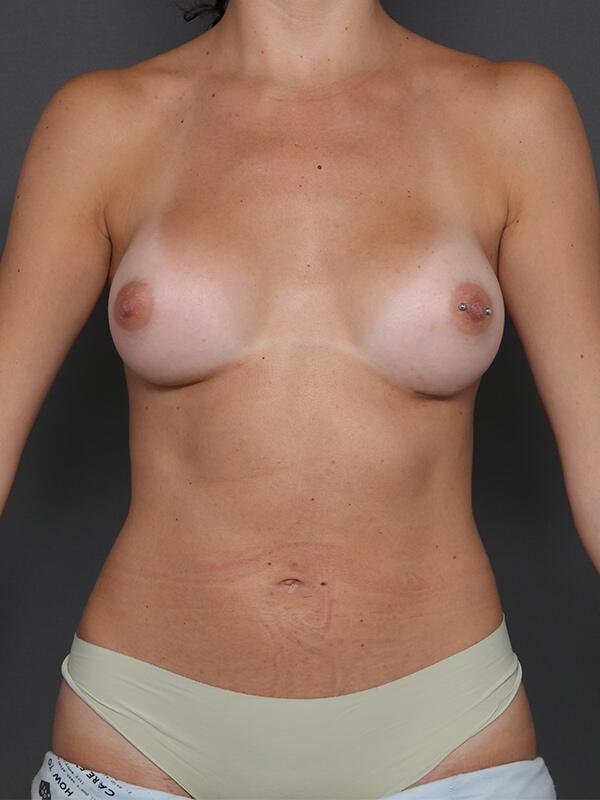
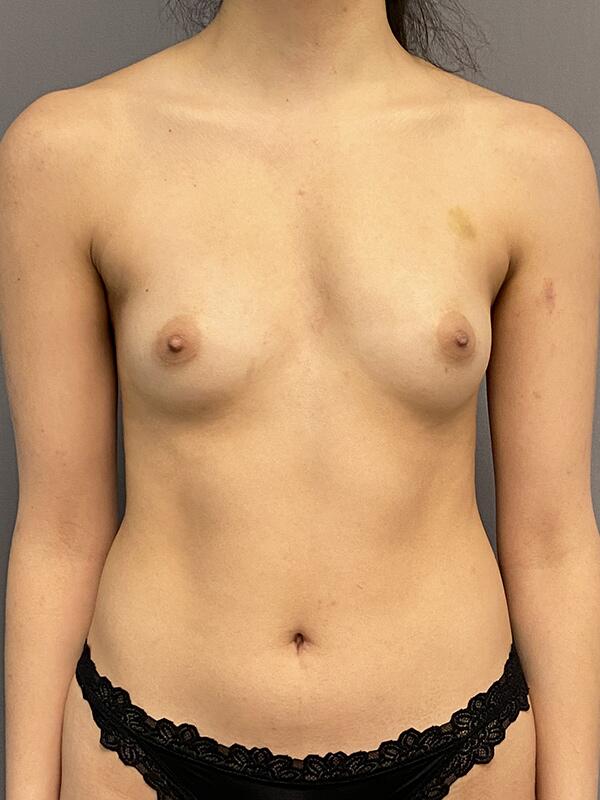
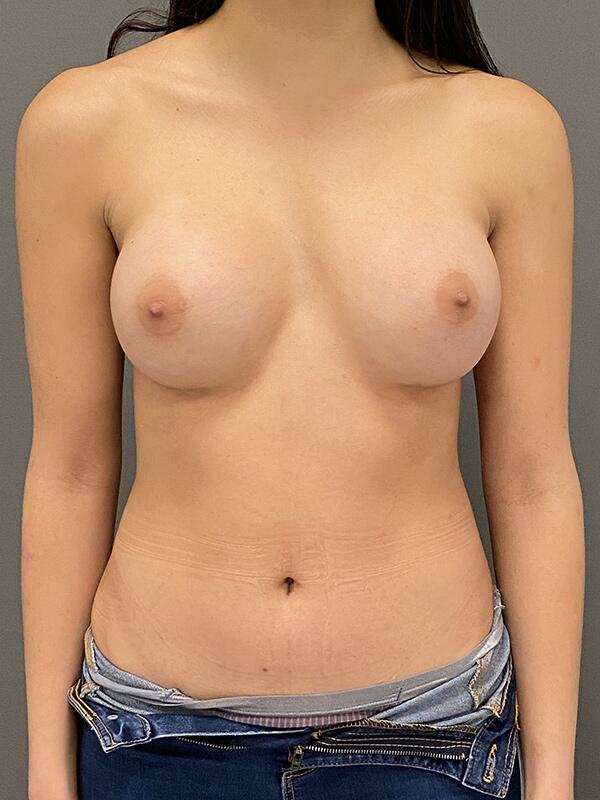
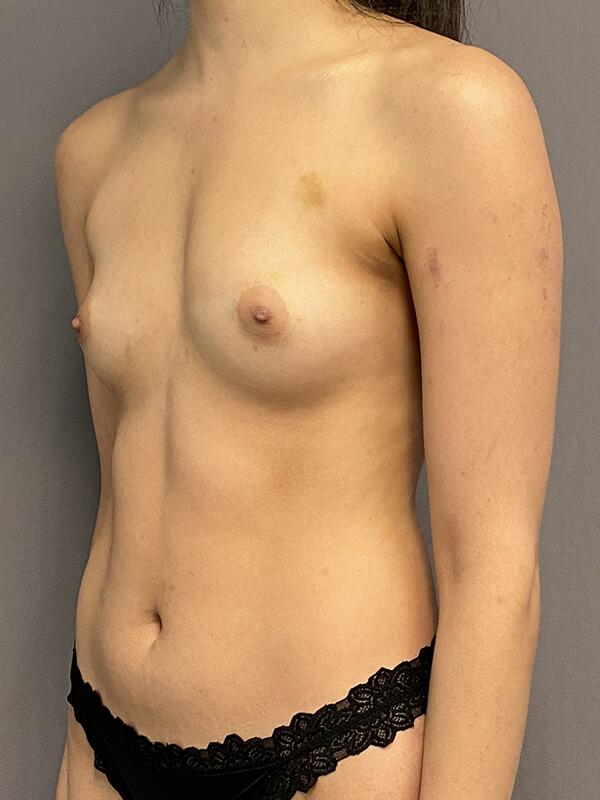
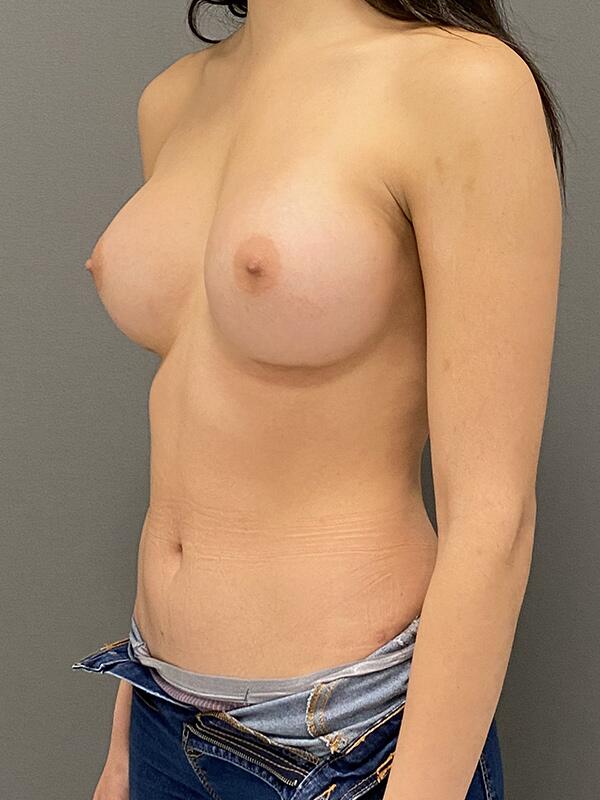
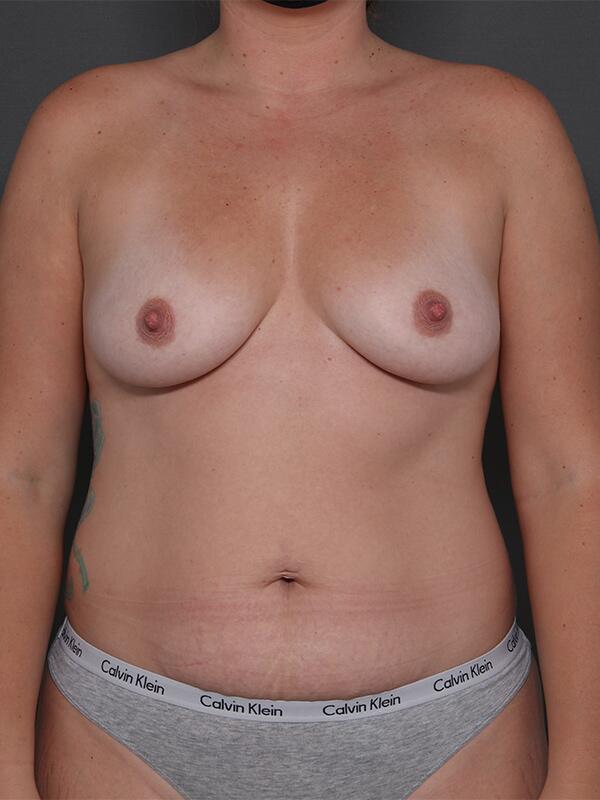
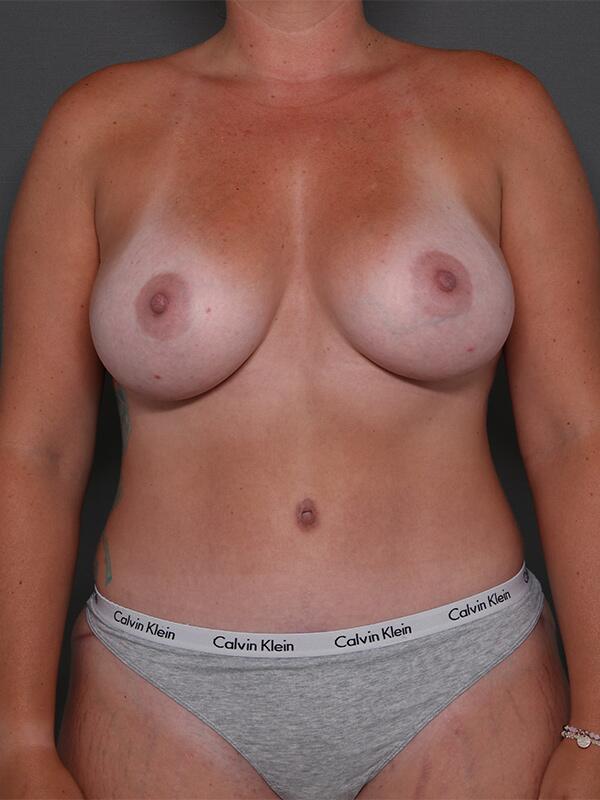
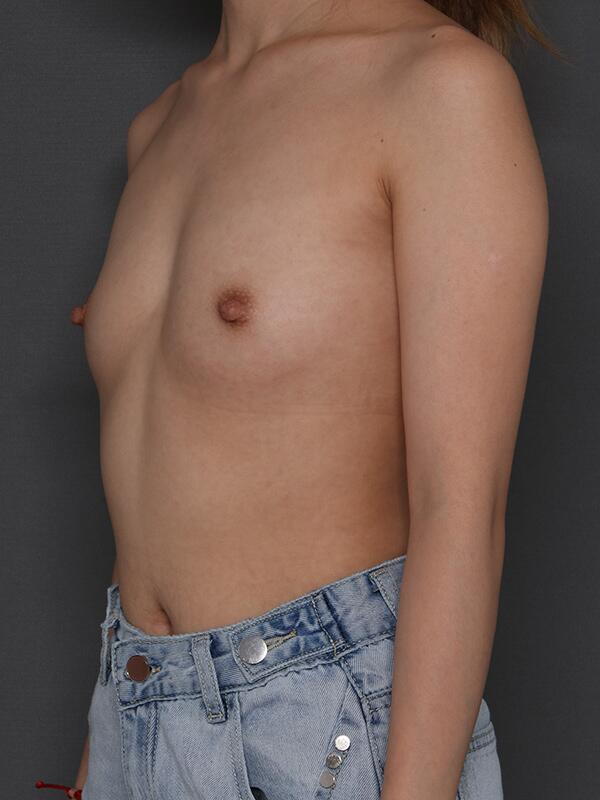
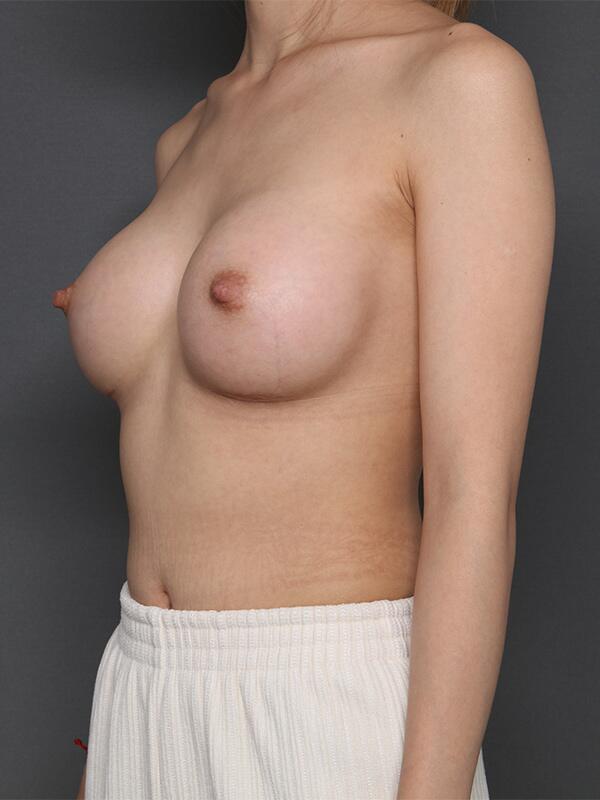
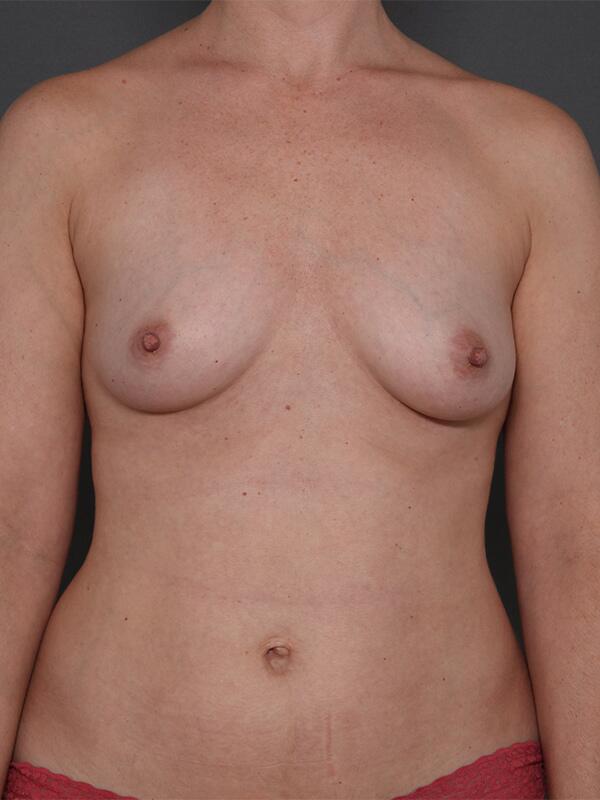
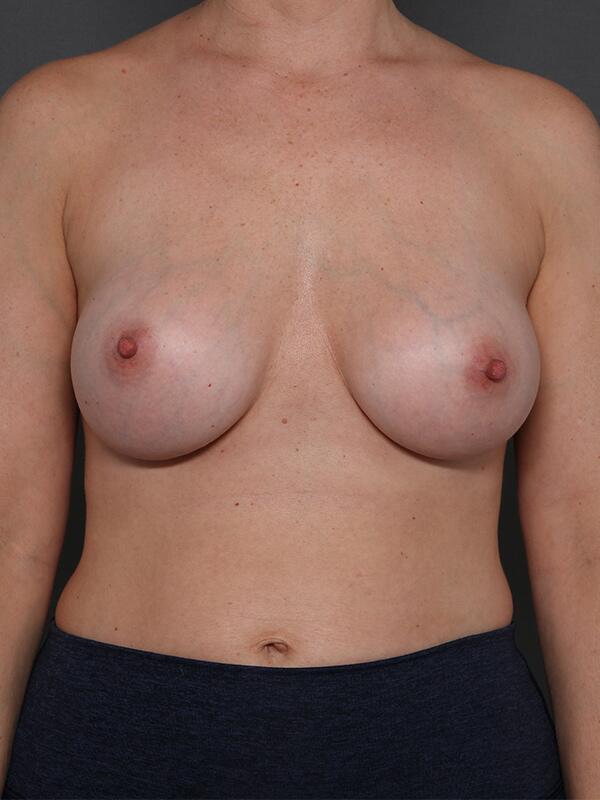
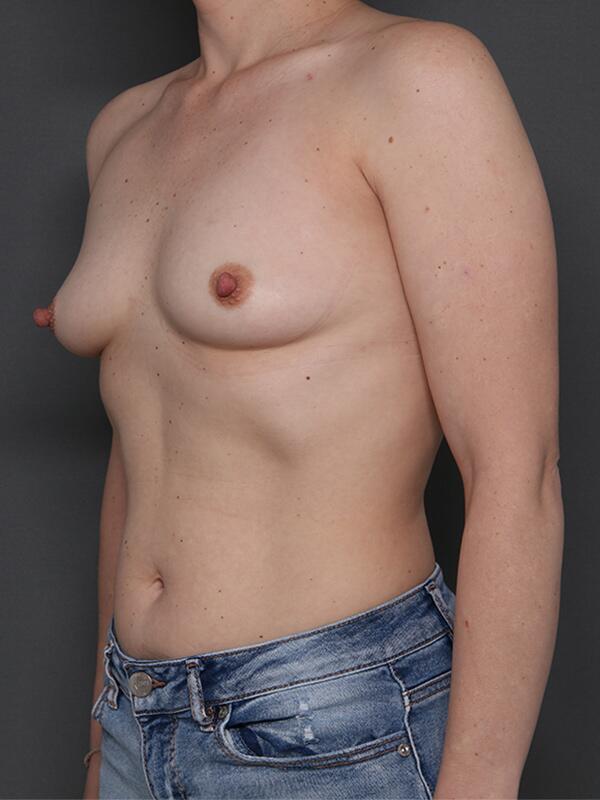
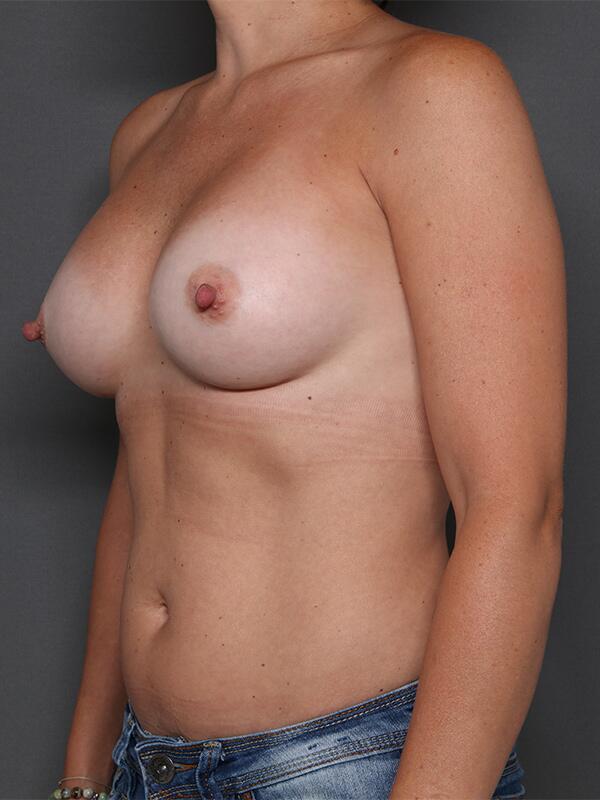
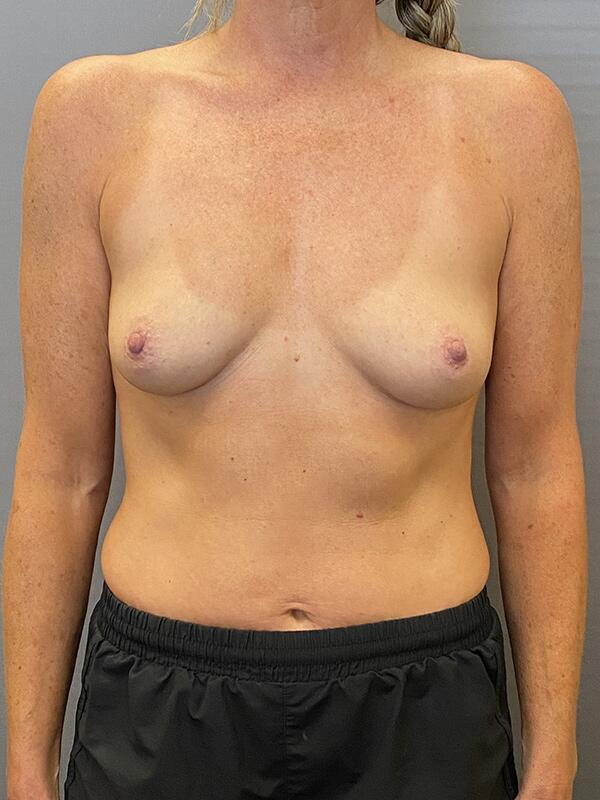
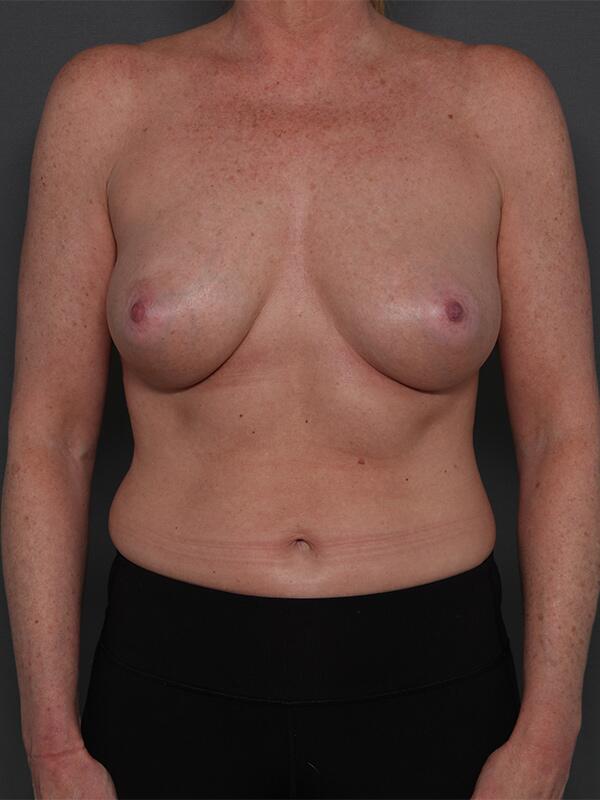
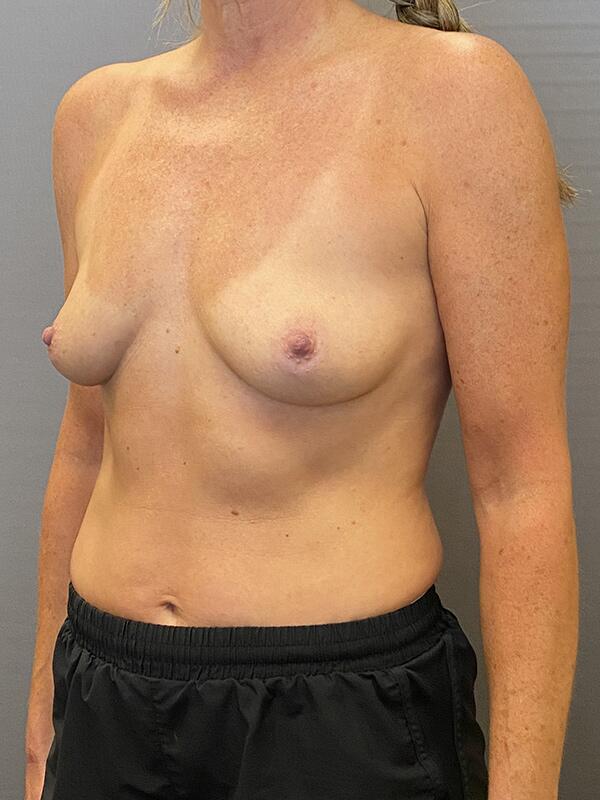
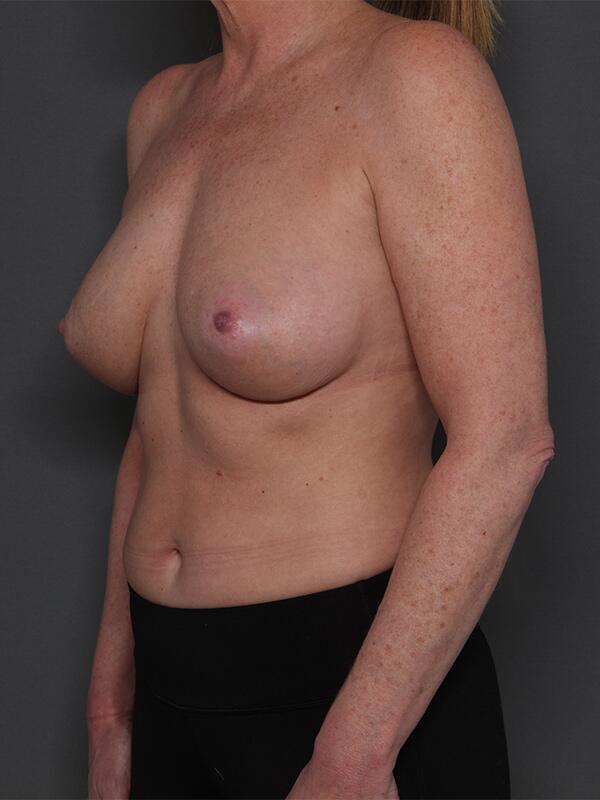
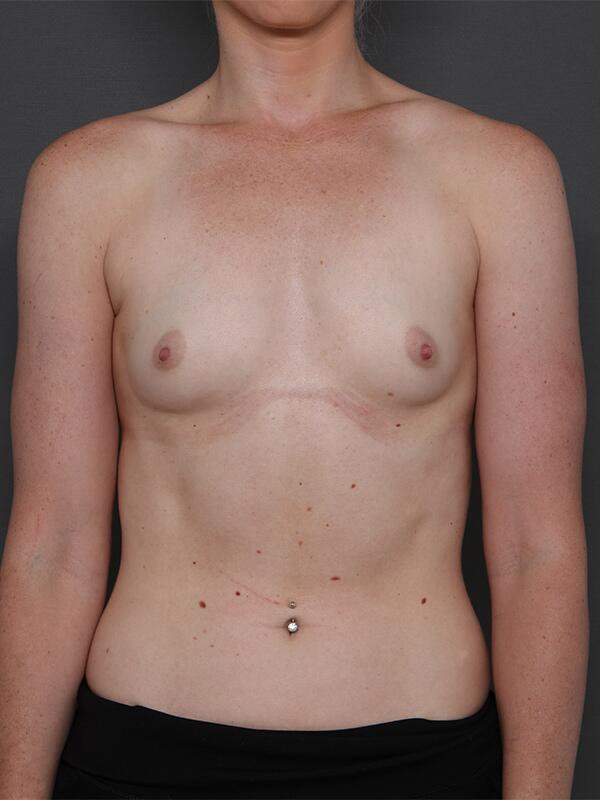
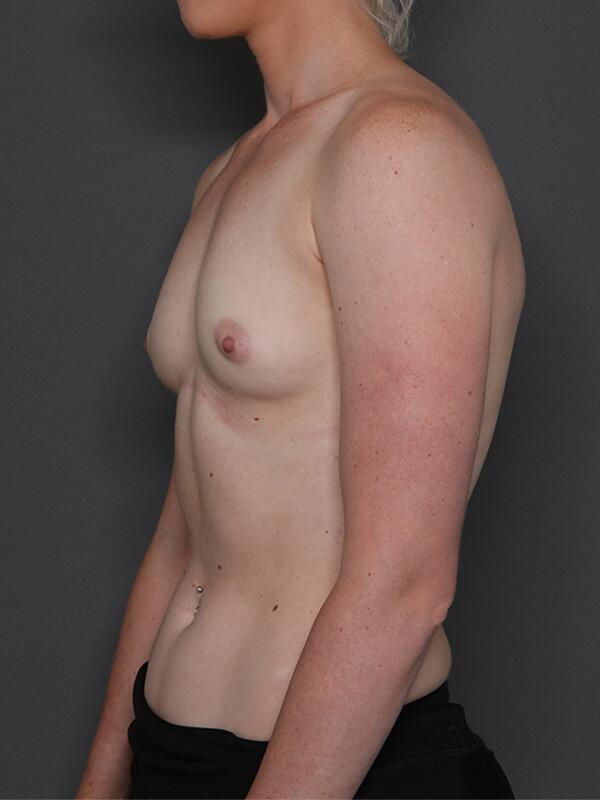
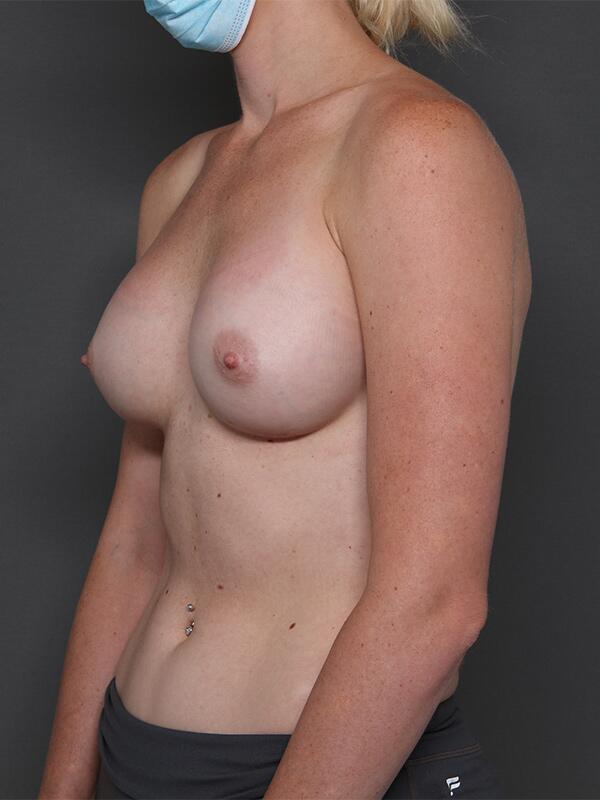
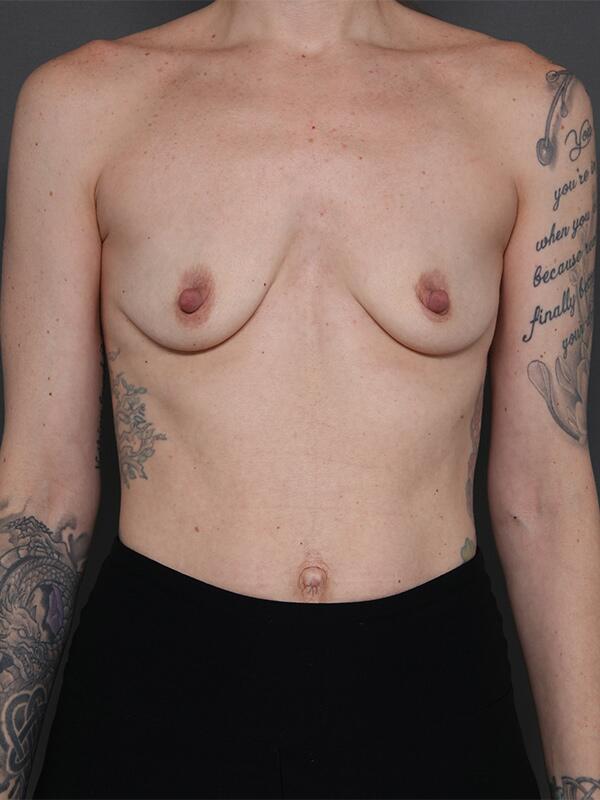
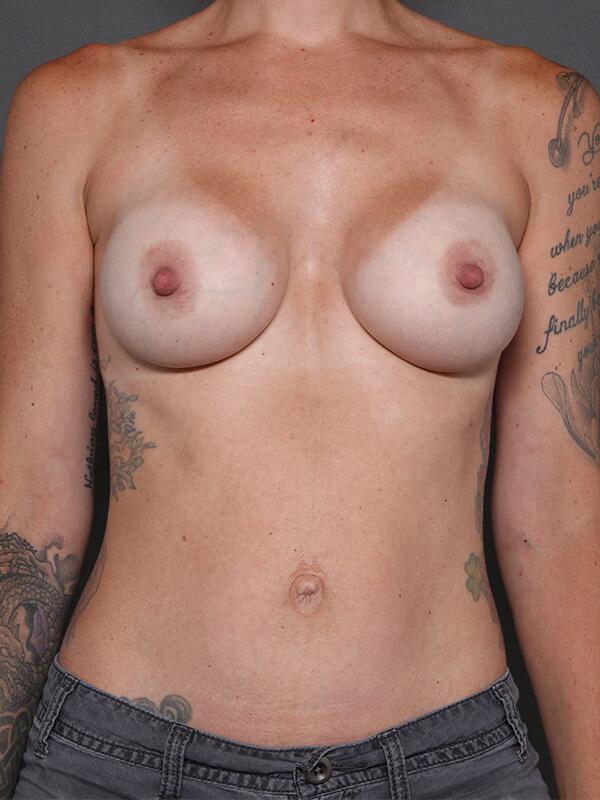
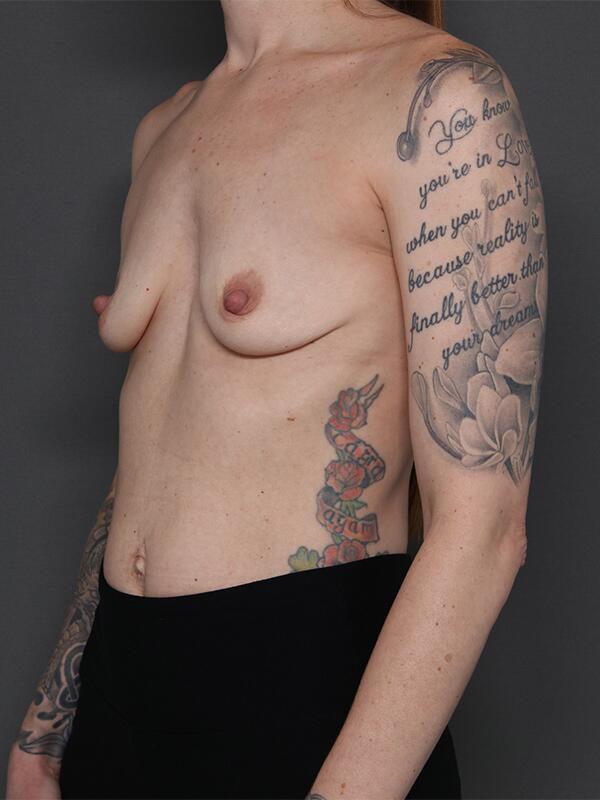
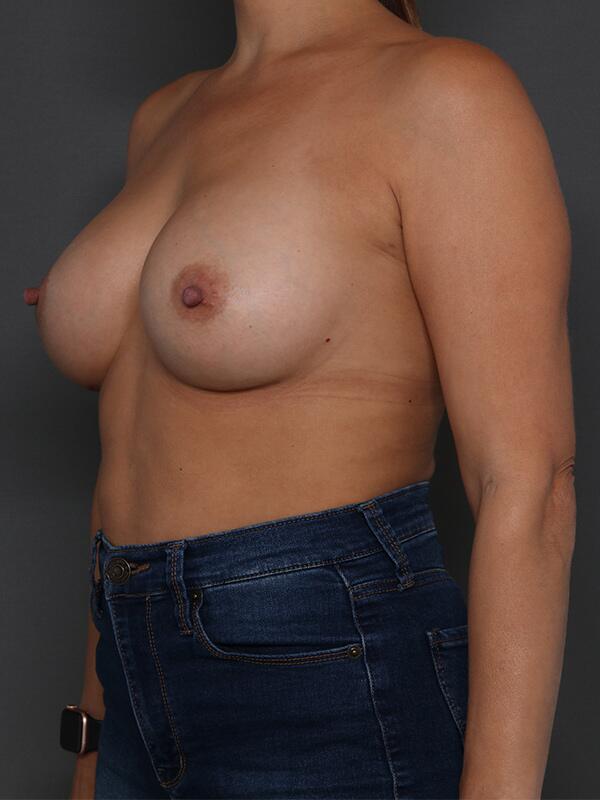
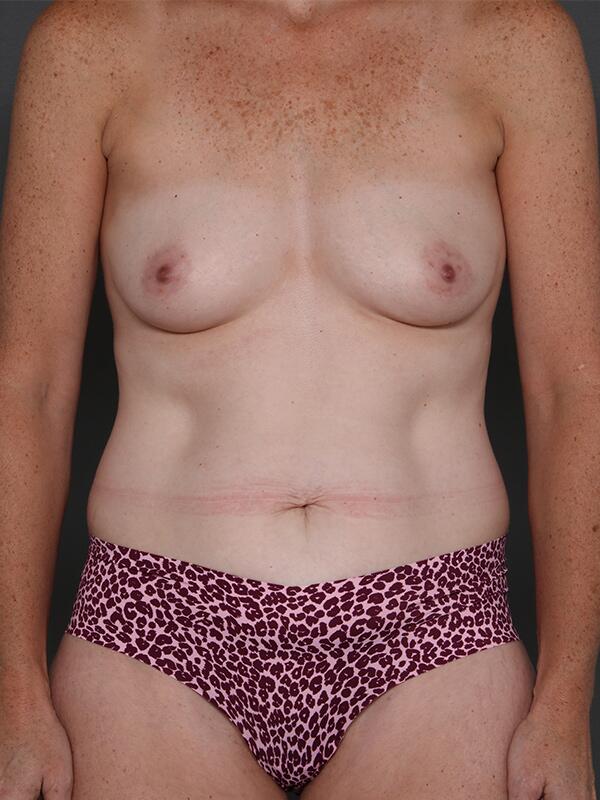
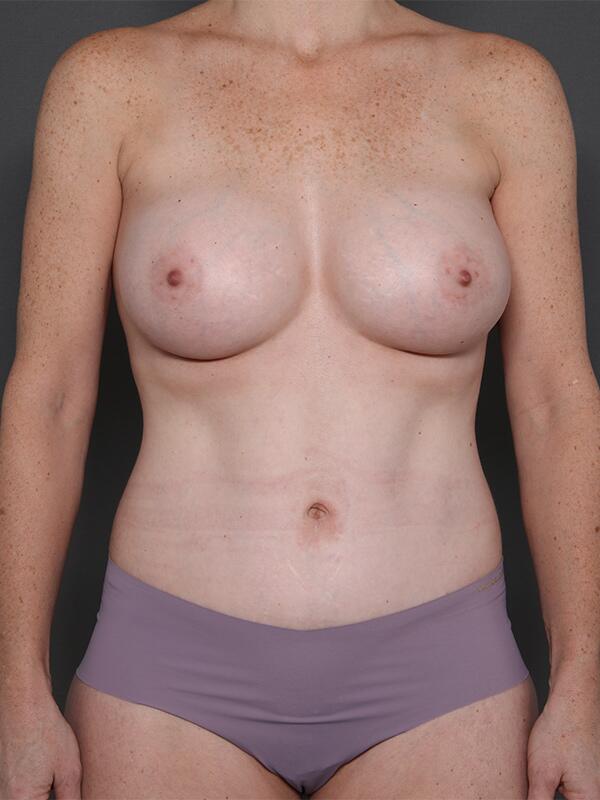
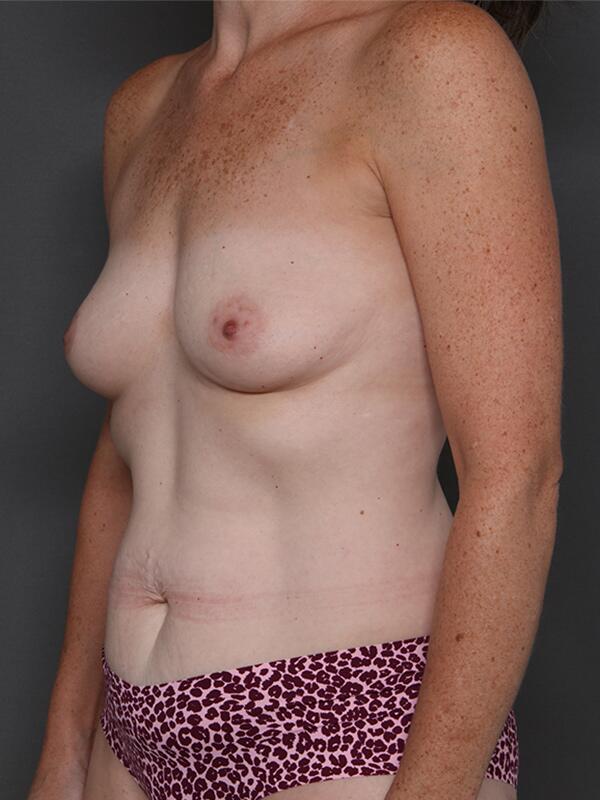
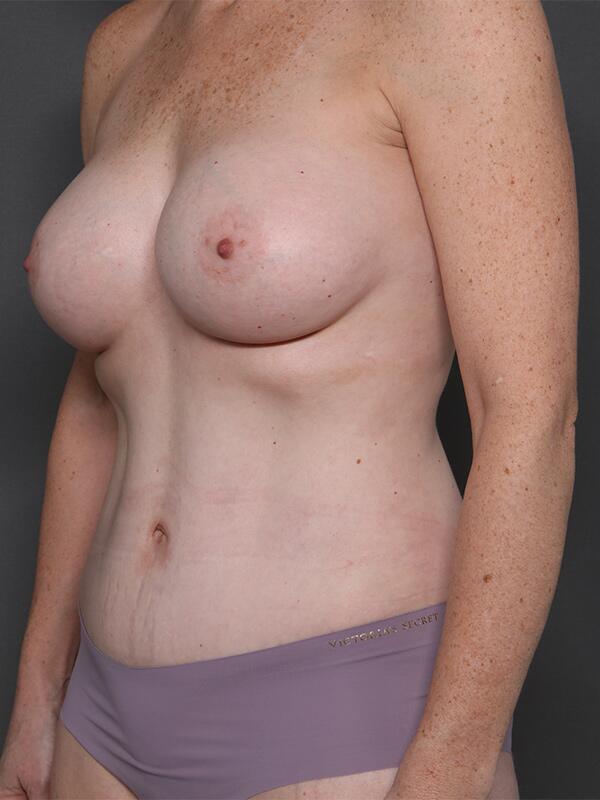
For many women, dissatisfaction with their breasts is a persistent and devastating problem. Fortunately, our Philadelphia breast augmentation with Dr. Ran Stark and Dr. Carey Campbell can enhance the size, shape, fullness, and symmetry of the breasts while also improving the overall proportion of the figure.

enhance

Philadelphia breast augmentation model in bra and underwear

Get a customized video series on this treatment from StarkMD Plastic Surgery & Aesthetic Center. These videos will walk you through the process and help you make informed decisions with clarity and confidence.

At StarkMD Plastic Surgery and Aesthetic Center our goal is to choose the ideal breast implant based on each patient's body and desired outcome. Since every patient is unique and no two breasts are the same it is important to create an individualized plan for each patient. Using carefully chosen breast implants, our surgeons regularly achieve remarkable breast augmentation results for their patients.

StarkMD Plastic Surgery Philadelphia s logo
Philadelphia breast augmentation model leaning against wall

What is Breast Augmentation?

Also called augmentation mammoplasty or a "boob job", breast augmentation is one of the most commonly performed cosmetic surgery procedures worldwide and an especially popular procedure at StarkMD Plastic Surgery & Aesthetic Center. As board-certified plastic surgeons in Philadelphia, Dr. Ran Stark and Dr. Carey Campbell develop a trustworthy surgical plan for every patient. Call to schedule an appointment to learn more about what options are available to you.

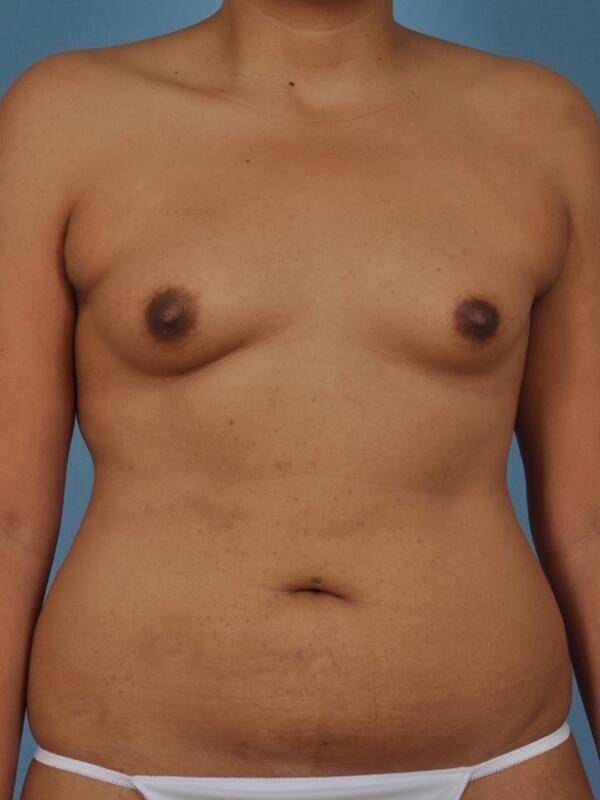
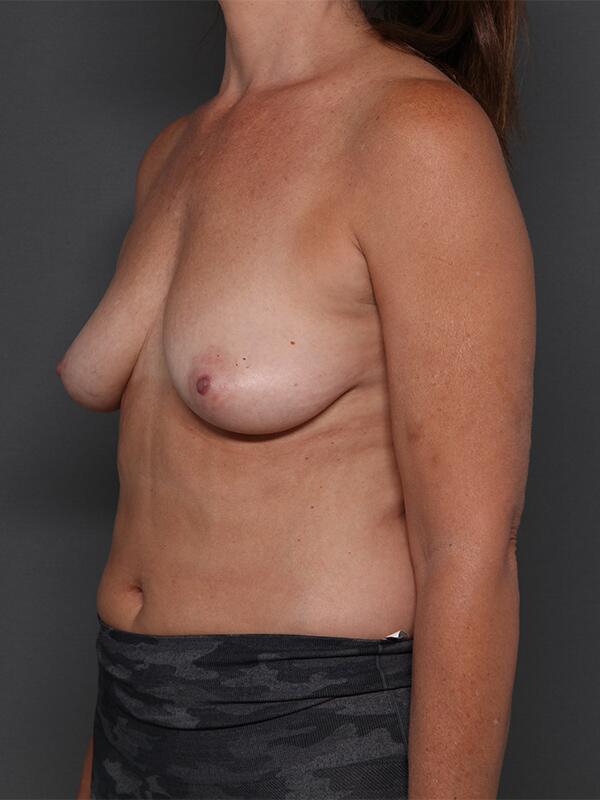
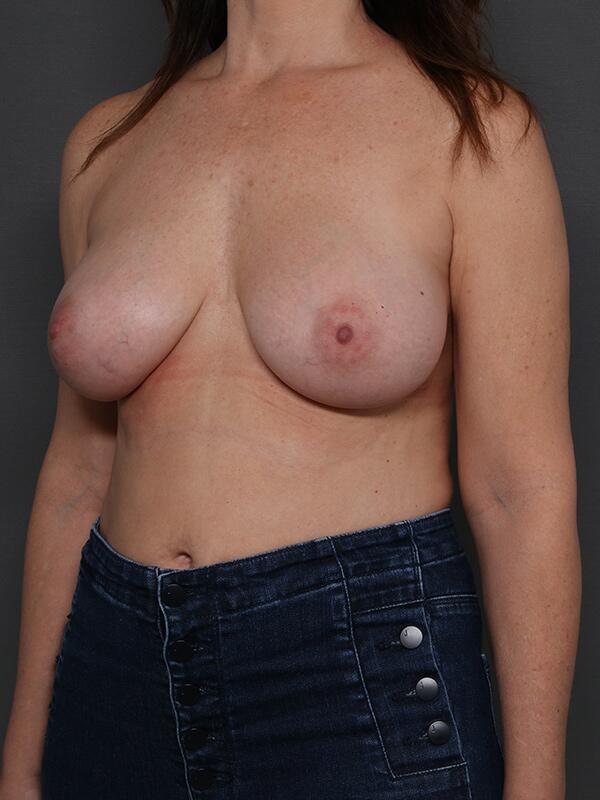
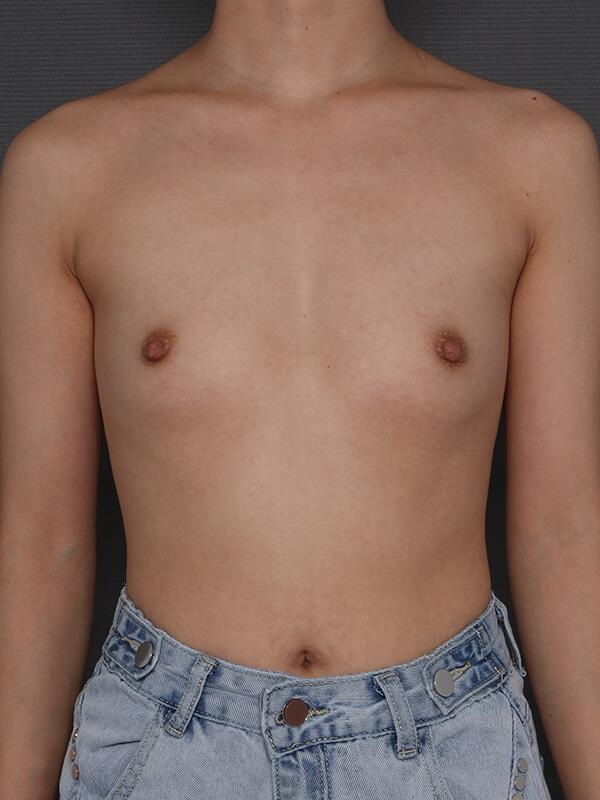
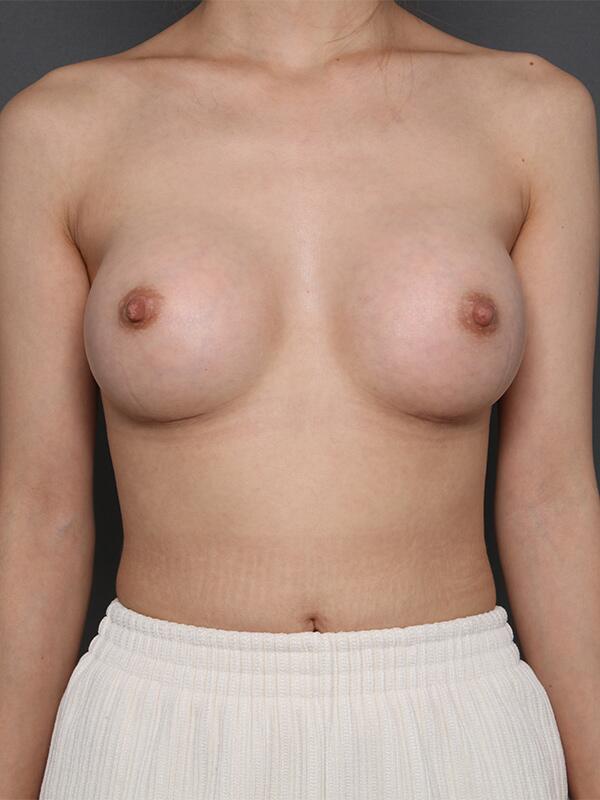
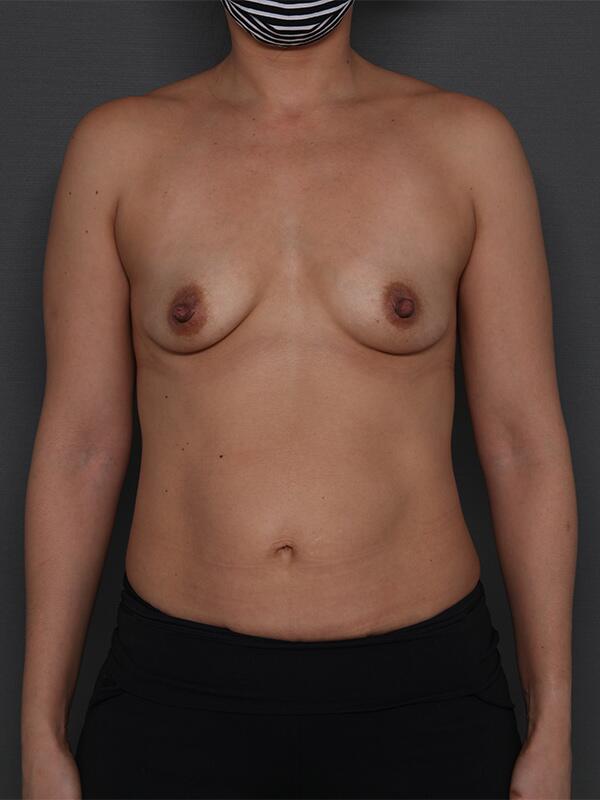
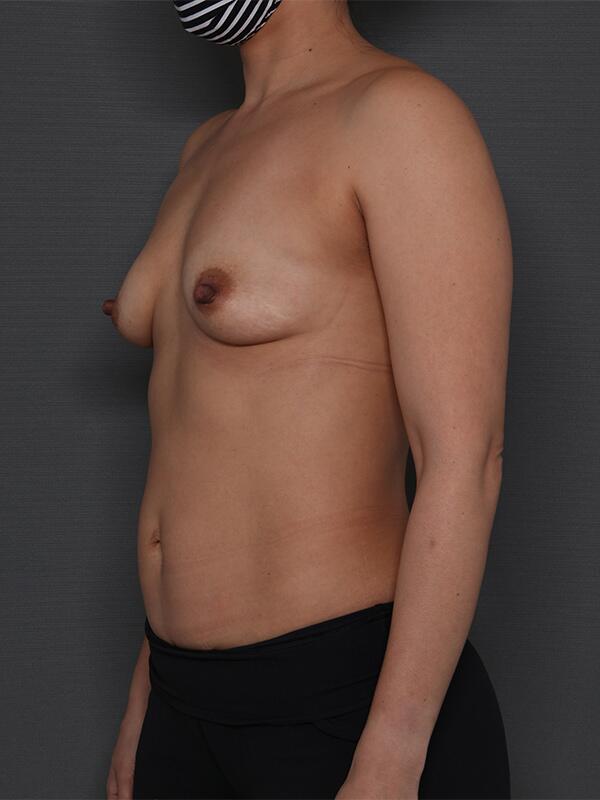
Breast augmentation can be used to address a number of different conditions. The most common being naturally small breasts. Breast implants can improve loss of volume and sagging from pregnancy, weight loss and aging. Many women also have asymmetry, where one breast is smaller than the other. Breast implants can help correct this breast asymmetry. Breast implants can also help in congenital breast shape deformities such as tuberous breasts.

How does breast augmentation work?

Breast augmentation surgery typically involves placing implants behind your breast tissue or under your chest muscles. The implants are filled either with a saline solution or with a synthetic material known as silicone. Incisions can be made in such a way as to minimize scarring and scar visibility.

Philadelphia breast augmentation model sitting at table

Benefits of Breast Augmentation

Breast augmentation has many benefits, it can be designed to:

  • Increase breast fullness
  • Increase breast projection
  • Improve the proportionality and symmetry of your figure
  • Restore breast volume lost after pregnancy
  • Create "perkier" breasts after pregnancy
  • Correct breast asymmetry
  • Be combinable with other procedures such as breast lift

Additionally, many women report a boost in their self-confidence following breast augmentation.

Patient Testimonial

Breast Augmentation Candidates

Please factor the following information into your decision about pursuing breast augmentation.

  • An MRI examination is needed three years after breast augmentation, and every two years following that. This requirement is in place so that any leaking or rupturing of your implants are screened for and detected.
  • Some find that getting a mammogram can be more challenging following their augmentation.
  • Remember that augmentation will not correct severely drooping breasts, a condition that may require a breast lift procedure. However, another possible options for those who want to correct the size and shape, as well as breast sagging is a breast augmentation with lift.

Generally, you are a good candidate for a breast augmentation if you have one or more of these concerns:

  • You have some degree of asymmetry between the breasts
  • You have breasts that are too small for your liking
  • You don't like the shape of your breasts
  • You want fuller, more prominent breasts
Philadelphia breast augmentation model outside in a white swimsuit

At what age can you get breast augmentation?

You must have fully developed breasts before augmentation surgery can be considered. The FDA requires women to be at least 22-years-old to get silicone breast implants and at least 18 to receive saline implants. Most women who seek breast augmentation are in their 20s or 30s, but there is no set "top end" age restriction.

Selecting the Right Plastic Surgeon

The safety and success of your breast augmentation is dependent on your plastic surgeon's skill, training, and experience more than any other factors. Dr. Ran Stark is a double-board certified plastic surgeon, fellowship-trained, widely regarded as one of the country's preeminent plastic surgeons. Our surgeons' goal is always to provide you with the best breast augmentation Philadelphia has to offer.

Philadelphia plastic surgeon starkMD s logo

Breast Augmentation Consultation

During your initial consultation for a breast augmentation Philadelphia board-certified plastic surgeons, Dr. Ran Stark and Dr. Carey Campbell, will discuss factors that make a patient a good candidate for a breast augmentation. They will review your goals, perform a general examination of your breast tissue and take specific measurements. Based on your goals and measurements our surgeons will review different options of implants with you; a variety of sizes, shapes, fill and placements.

Finally using Vectra H2 3D imaging software you will be able to see what your breasts will look like with the selected implants. Since every breast augmentation is tailored to each individual's desire and anatomy. Our surgeons will use their assessment and breast measurements to help you decide which implant and approach are best.

Stark Plastic Surgery Philadelphia Logo

Choosing the Right Breast Implant

The right breast implant is selected by matching its width, volume, projection, and material to your existing anatomy. A number printed on an implant box cannot predict how that implant will look on your chest. Skin quality, breast width, tissue coverage, nipple position, and the shape you want all influence the decision.

During consultation, Dr. Stark or Dr. Campbell will examine your breasts, take measurements, and compare implant options with you. Vectra H2 3D imaging can then model several choices on your own frame, giving you a clearer sense of proportion before surgery.

Silicone vs. Saline Breast Implants

Both saline and silicone breast implants have an outer silicone shell. The difference is what fills that shell.

Silicone implants arrive prefilled with cohesive silicone gel. They generally feel softer and show less visible rippling, especially in patients with limited natural breast tissue. Modern silicone implants are available in several gel consistencies, allowing the surgeon to adjust how soft, structured, or form-stable the breast feels.

A rupture in a silicone implant may not cause an immediate change in breast size or shape. This is known as a silent rupture. The FDA recommends periodic ultrasound or MRI screening after silicone implant surgery, even when the breasts feel normal.

Saline implants are inserted as empty shells and filled with sterile saltwater once they are in place. This may allow a smaller incision and gives the surgeon some control over fill volume during surgery. If a saline implant ruptures, the breast usually deflates, making the problem easier to recognize. The saline is absorbed by the body, but surgery is still needed to remove and replace the implant shell.

Saline implants can feel firmer and may show more rippling in patients with thin tissue. They can still be appropriate for patients who prefer saline, want adjustable fill volume, or are between ages 18 and 21. FDA approval for cosmetic augmentation begins at age 18 for saline implants and age 22 for silicone implants.

Understanding Breast Implant Profiles

Implant profile describes how far an implant projects forward in relation to its base width. It does not describe breast size by itself.

A low-profile implant has a wider base and less forward projection. A moderate-profile implant creates more projection while maintaining a broader footprint. High-profile implants concentrate volume within a narrower base, producing greater projection from the chest.

Two implants can contain the same number of cubic centimeters and look quite different because their profiles distribute that volume differently. A high-profile implant may suit a narrow chest, while a broader implant may fit a wider breast base. The best match depends on your measurements and the amount of fullness you want through the upper and central breast.

How Breast Implant Size Is Chosen

Breast implants are measured in cubic centimeters, or cc. Cup sizes are not standardized across bra manufacturers, so requesting a specific cup size gives the surgeon limited information.

Dr. Stark or Dr. Campbell will consider how much existing breast tissue you have, the dimensions of your chest, and how far your skin can stretch without placing excessive pressure on the breast fold. A larger implant can create greater fullness, but it also adds weight to the skin and internal support structures. Choosing an implant that exceeds the tissue’s capacity can increase the chance of visible edges, rippling, bottoming out, or premature sagging.

Reference photos can help communicate taste, especially when you explain what you like about each result. The final size should still be based on your body. A 300 cc implant can look understated on one patient and conspicuous on another.

Round vs. Anatomical Breast Implants

Round implants are used for many cosmetic breast augmentations. They distribute volume across the breast and cannot create a visible change in shape if they rotate within the pocket. Different gel consistencies and profiles allow a round implant to produce either a gentle slope or greater upper-breast fullness.

Anatomical implants have a teardrop shape, with less volume at the top and greater fullness toward the lower breast. Rotation can distort the breast shape, so pocket control is especially important. Some anatomical implants also have surface characteristics that require a separate discussion of risks and long-term monitoring.

If anatomical implants are available and appropriate, your surgeon will explain why that shape offers an advantage for your anatomy. Many patients can achieve the slope they want with a smooth round implant selected in the correct width, profile, and gel consistency.

What Factors Determine Implant Selection?

Implant selection begins with the breast you already have. Dr. Stark or Dr. Campbell will assess your breast base diameter, chest-wall shape, natural tissue thickness, skin elasticity, nipple position, breast-fold height, and existing asymmetry.

Your lifestyle also enters the discussion. A highly active patient may care about implant movement during chest exercise. A patient with little natural tissue may need additional implant coverage. Pregnancy plans, weight stability, prior breast surgery, and the possibility of a future breast lift can also influence the recommendation.

The strongest plan respects both the desired appearance and the limits of the tissue. Implant type, size, and placement are chosen together because changing one can change the others.

Saline vs. Silicone
Breast Implants

Generally we use two types of breast implants for breast augmentation surgeries at StarkMD Plastic Surgery and Aesthetics Center. Silicone implants have become more popular in the past decade and are more widely used now. The reason for this is that they result in a more natural appearance with less rippling than the saline implants produce.

Rippling occurs when the wrinkled edge of the implant can be seen or felt under the skin. Additionally, silicone implants feel more natural and soft to the touch, and camouflage better with existing breast tissue. This type of implant has been used for many years with great success. Saline implants have a silicone outer shell filled with a saltwater solution. They are slightly less expensive than their silicone counterparts however they are heavier and firmer and tend to cause less natural-looking results with more rippling.

Philadelphia breast augmentation model measuring her breasts

Other Types of Breast Implants

Round implants (either saline or silicone) tend to be the most common shape of breast implants, in part because they do not rotate. Round implants typically are beneficial for patients who want to achieve more fullness at the top of their breasts.

But keep in mind that other implant shapes and textures are available. So-called gummy bear implants, also referred to as anatomical breast implants or teardrop implants, are among your and your surgeon's options and can help provide additional volume to the tops of the breasts for an overall fuller appearance.

Motiva® Implants

Motiva implants are the latest innovation in breast augmentation technology, offering both a natural feel and advanced safety features. These implants are made with an ultra-soft silicone gel that adapts to your natural movement, providing the most lifelike results possible. Motiva implants also incorporate unique surface technology to reduce the risk of complications such as capsular contracture and implant rotation. Our surgeons are pleased to offer Motiva® implants to patients seeking the highest standards of safety, aesthetics, and comfort.

Fat Grafting

Fat transfer breast augmentation, or fat grafting breast augmentation, uses fat harvested from other body areas to enhance your breasts. While this type of augmentation is not as dramatic as those achieved with implants, many women like the more modest and natural-looking results.

Another option for women looking for a natural augmentation is fat grafting to the breast. During this procedure, our surgeons use liposuction to remove fat from other parts of the body and place it meticulously into the breast tissue creating a naturally fuller effect. This way, the patient benefits from body contouring as well as breast enhancement during one surgical procedure. When discussing if breast fat grafting is right for you with our surgeons, you must understand that your result will change in appearance after several months as only 50-60% of the fat that is placed in the breast will survive.

Philadelphia plastic surgeon starkMD s logo
Philadelphia plastic surgeon Dr. Ran Stark showing a breast augmentation patient the two different types of breast implants

Dr. Ran Stark speaks about Breast Augmentation options with Haute Living

Read the full article here right arrow

How is breast augmentation
performed?

Breast augmentation is typically performed in about an hour using general anesthesia. Breast augmentation is generally performed as an outpatient procedure, but you may need to stay overnight in a hospital in some cases.

During your breast augmentation, incisions must be made through which to place your implants. Types of Breast augmentation incisions our surgeons will consider include:

Inframammary fold

This incision is made in the crease beneath the breast, just at the skin fold. Scarring from this incision is largely hidden by the breast itself.

Transaxillary

A transaxillary incision is made in the armpit, another excellent tactic for reducing the visibility of scars.

Periareolar

This incision is made around the lower part of the areola.

Because our surgeons have perfected their technique for our Philadelphia breast augmentations, they are able to perform the surgery with very minimal trauma leading to a quick and relatively painless recovery. In most cases, our surgeons use a small inframammary incision below the breast and create the perfect pocket for your implant. A funnel is used to place the implant into the pocket in the most sterile and compact manner possible. Breast implants can be placed under the breast tissue or behind the chest muscle. During your consultation with Dr. Ran Stark and Dr. Carey Campbell, you can discuss which one is right for you.

In most cases, Philadelphia Breast augmentation surgeons, Dr. Ran Stark and Dr. Carey Campbell will place your implant behind the deeper chest muscle or pectoralis. This provides more covering tissue to conceal the implant and better resists sagging after recovery. This placement may also assist with the effectiveness of mammograms. However, for some women, placement of the implant just under the breast tissue will better attain their goals for the size and shape of the breasts.

After your selected implants are aligned and placed properly, our surgeons will close your incisions surgical tape or sutures. Next, they will apply dressings to your incision sites, and you will likely have some post-surgical drainage tubes.

Stark Plastic Surgery Philadelphia Logo

Breast Implant Incision Options

Every breast augmentation leaves a scar. The surgical decision centers on where that scar will be least conspicuous and which incision gives the surgeon the control needed to create the pocket and place the selected implant.

Incision choice depends on implant size and fill, breast anatomy, areola size, pocket location, previous scars, and the possibility of future revision surgery.

Inframammary Incision

The inframammary incision sits in the crease beneath the breast. Once healed, it is concealed by the lower breast in most bras, swimsuits, and clothing.

This approach gives the surgeon direct access to the implant pocket and clear control over the breast fold. It accommodates prefilled silicone implants and allows the surgeon to use an insertion funnel with limited handling of the implant. The same incision can usually be reopened if implant exchange or revision becomes necessary later.

The inframammary approach is commonly recommended because it offers precise pocket control while avoiding an incision through the areola or armpit. Its position must be planned carefully so the scar remains within the new breast crease after the implant settles.

Periareolar Incision

A periareolar incision follows the lower border of the areola, placing the scar where pigmented areolar skin meets the surrounding breast skin. In patients with a clear color transition, this can camouflage the incision well.

The approach provides central access to the breast pocket and may be useful when limited areolar adjustment is part of the operation. The size of the areola can restrict the length of the incision and the implants that can pass through it.

Because this incision passes through or close to breast tissue, the surgeon will discuss possible changes in nipple sensation and considerations for future breastfeeding. These outcomes cannot be predicted with certainty, and they depend on anatomy and surgical technique.

Transaxillary Incision

The transaxillary incision is placed within the armpit, leaving no surgical scar on the breast itself. The surgeon creates a passage from the armpit to the breast pocket and places the implant through that route.

This approach can appeal to patients who strongly prefer to avoid a breast scar. The longer working distance gives the surgeon less direct access to the lower breast fold, and the technique may not be suitable for every implant or pocket. Future implant revision may also require a new incision beneath the breast.

Why One Incision May Be Recommended

The least visible scar is not automatically the best incision. Precise implant placement, control of the breast fold, and protection of the surrounding tissue have a direct effect on the final breast shape.

Dr. Stark or Dr. Campbell may recommend an inframammary incision when a prefilled silicone implant, detailed pocket control, or future access is a priority. A periareolar or transaxillary incision may make sense for selected patients whose anatomy and implant plan support those approaches. Your surgeon will explain the tradeoffs before the operation.

Stark Plastic Surgery Philadelphia Logo

Breast Implant Placement

Breast implant placement describes where the implant sits in relation to the breast tissue and pectoral muscle. Each option changes the amount of implant coverage, early discomfort, movement during exercise, and the way the breast settles.

Over the Muscle

Over-the-muscle placement is also called subglandular or prepectoral placement. The implant sits behind the breast tissue and in front of the pectoral muscle.

This position avoids cutting or lifting the chest muscle, which can make early recovery more comfortable. It also prevents animation deformity, a visible movement or distortion that can occur when the pectoral muscle contracts over an implant. Athletes and patients who perform frequent chest exercises may value this benefit.

The patient needs enough natural tissue to cover the implant. In a thin patient, implant edges or rippling may be easier to see or feel. Over-the-muscle placement can work well when tissue coverage is adequate, the skin has good support, and the chosen implant fits the breast base.

Under the Muscle

Under-the-muscle placement positions at least part of the implant beneath the pectoral muscle. The muscle provides another layer of coverage across the upper implant, which can soften visible edges and reduce rippling in patients with thin tissue.

This approach can create a gradual transition from the chest into the upper breast. It may be recommended when the patient has little natural breast volume or when additional implant coverage is needed.

Early recovery can involve more pressure, tightness, and muscle soreness. The implant may also move when the chest muscle contracts. Patients who lift weights or perform repetitive chest exercises should discuss this possibility during consultation.

Dual-Plane Placement

Dual-plane placement combines elements of over-the-muscle and under-the-muscle surgery. The upper portion of the implant sits beneath the pectoral muscle, while the lower portion is covered by breast tissue.

This arrangement provides muscle coverage through the upper breast while allowing the lower implant to expand and shape the lower pole. It can be useful when a patient has thin upper tissue, mild breast descent, or a tight lower breast that needs controlled expansion.

Dual-plane surgery can give the surgeon greater control over the relationship between the implant, nipple, and breast fold. Recovery usually includes some muscle soreness because the pectoral muscle is involved.

How Your Surgeon Chooses the Implant Pocket

Tissue thickness is one of the first considerations. Patients with less coverage may benefit from a submuscular or dual-plane pocket. Patients with adequate breast tissue may be candidates for over-the-muscle placement.

Your surgeon will also evaluate skin stretch, breast-fold position, implant size, activity level, existing sagging, and the amount of upper-breast coverage required. A breast lift may be needed when skin and nipple position cannot be corrected by implant placement alone.

The pocket is selected for the breast you have now and the implant being used. It should provide stable support without asking the skin, muscle, or breast fold to carry more than it can manage.

breast augmentation patient model in dark jacket

Designing your breast implant in three dimensions

During your consultation, we will use the Vectra H2 3D imaging system to create a digital model of your body and breasts.

The Vectra H2 3D imaging system uses 3D cameras that photograph all around your body and then create a detailed digital model that we can use to plan your breast augmentation in detail. The system is designed to assist both plastic surgeons and patients in determining the best size and type of implants and will provide you with a real understanding of how your breasts will appear after augmentation surgery.

IMAGING

Visualize the difference with the Vectra H2 3D Imaging System

Vectra H2 allows you to compare what you will look like with different implants using side-by-side 3D models, as well as in bathing suits and other clothing on top of your new breasts using Vectra's powerful viewing tools. Your personalized 3D images will also be available from the comfort of your home using the ViewMyConsult® patient portal, allowing you to review them with your significant other or anyone else whose opinion matters to you.

StarkMD Plastic Surgery Philadelphia s logo

Your patient experience

Our surgeons will ensure you feel comfortable the minute you walk into StarkMD Plastic Surgery and Aesthetic Center. Their friendly staff, comfortable exam rooms and warm bedside manner will immediately put you at ease. We understand surgery can be emotionally difficult and ultimately the key to a successful surgery is alignment of your goals with those of your doctor.

Breast augmentation consultations at StarkMD Plastic & Aesthetic Surgery allow the time and comfort each woman deserves to discuss her desired outcome. As with any surgery, health is of the utmost importance and our surgeons will ensure you are taking any necessary supplementation and stop any medications that may interfere with surgery. In addition, our surgeons' considerable skill and finesse come through to minimize scarring with every closing suture.

Philadelphia breast augmentation model in a white swimsuit

Breast Augmentation Recovery Timeline

Recovery varies with implant placement, incision choice, implant size, and any procedures performed at the same time. Over-the-muscle surgery may feel easier during the first week, while submuscular and dual-plane placement can produce more chest tightness.

You’ll usually feel functional before the implants have settled. Swelling, firmness, temporary asymmetry, and a high implant position are expected during the early stages.

Time What to Expect
Day of surgery You’ll return home after observation with a surgical or support bra. Short walks are encouraged once you’re steady.
Days 1–3 Tightness, swelling, pressure, and soreness are usually most noticeable. Keep your arms close to your body and take medications as directed.
Days 4–7 Many patients can manage light household activity and desk work. Driving should wait until you’re off sedating pain medication and can move comfortably.
Weeks 2–3 Bruising and swelling continue to improve. The implants may still look high, firm, or uneven as the pockets relax.
Weeks 4–6 Exercise and lifting may resume in stages after your surgeon examines the breasts. Upper-body training usually returns later than walking or lower-body exercise.
Months 2–3 The implants settle lower and feel softer. The final pace depends on pocket placement, tissue tightness, and implant size.
Months 6–12 Incision lines continue to flatten and fade. Scar color can take a year or longer to mature.

Call the practice if you develop increasing redness, fever, drainage, severe pain, shortness of breath, or sudden swelling in one breast. Follow-up visits allow Dr. Stark or Dr. Campbell to check the incisions, implant position, breast fold, and return to activity.

Considering your breast augmentation options:

Every body is different and requires personalized work. Our surgeons can help guide you to the best procedure that fits your individual body type.

Sometimes, due to pregnancy or aging, breast sagging may be addressed with a breast lift in combination with breast augmentation surgery. A composite breast augmentation combines implants with fat grafting for ideal results in some women. Call to schedule your private consultation with Dr. Ran Stark and Dr. Carey Campbell to discuss your options.

Philadelphia Breast Augmentation model sunning with a black bikini

Results

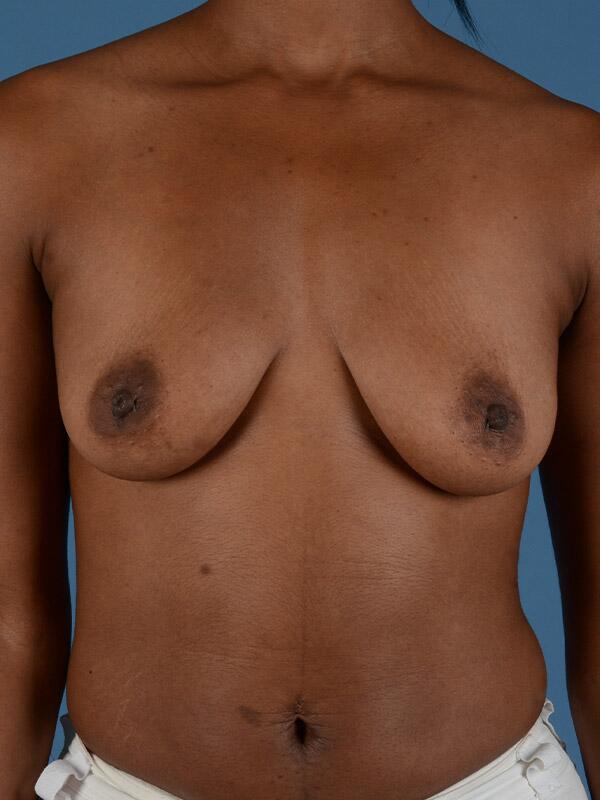
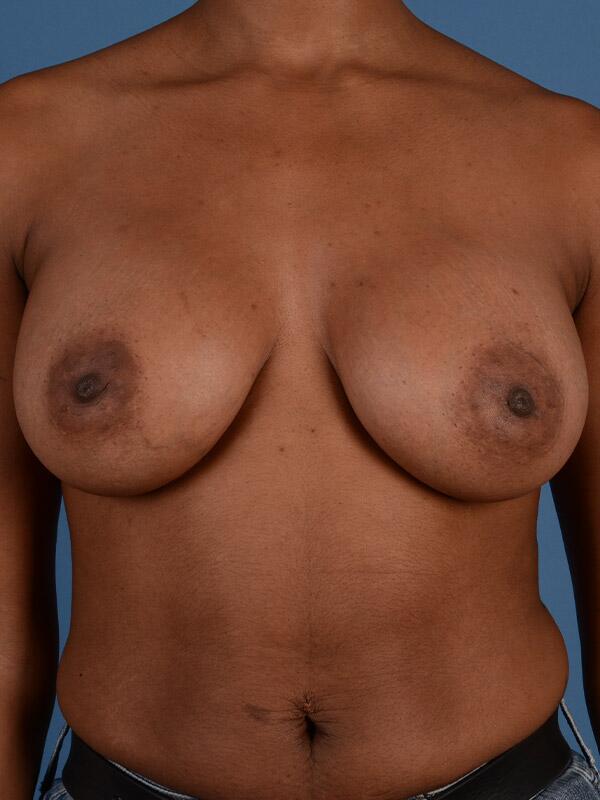
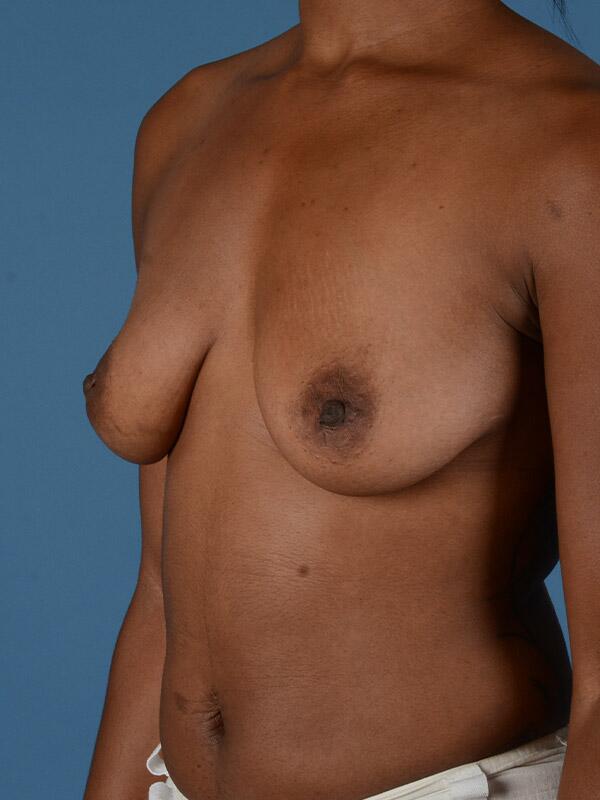
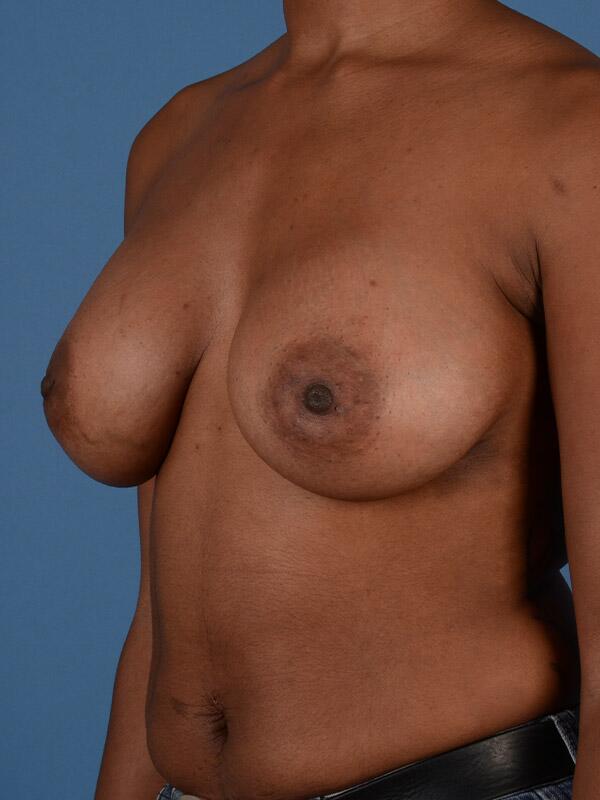
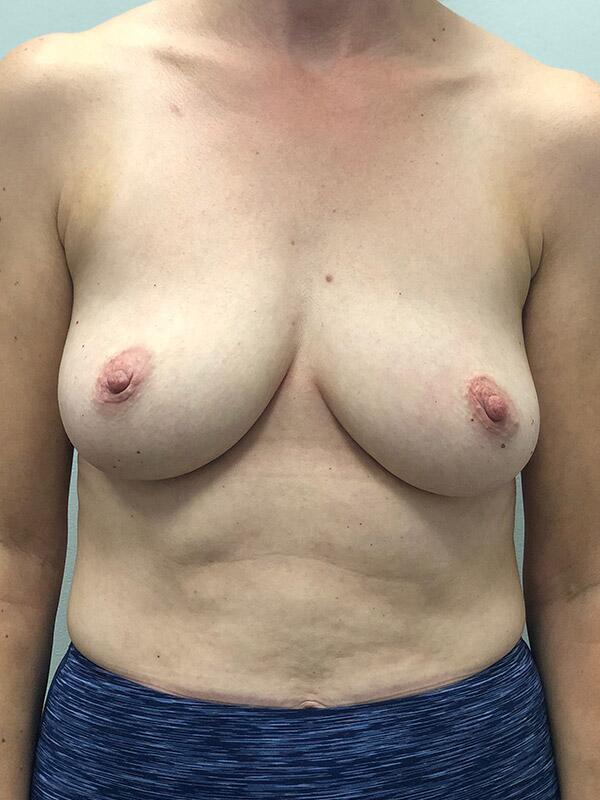
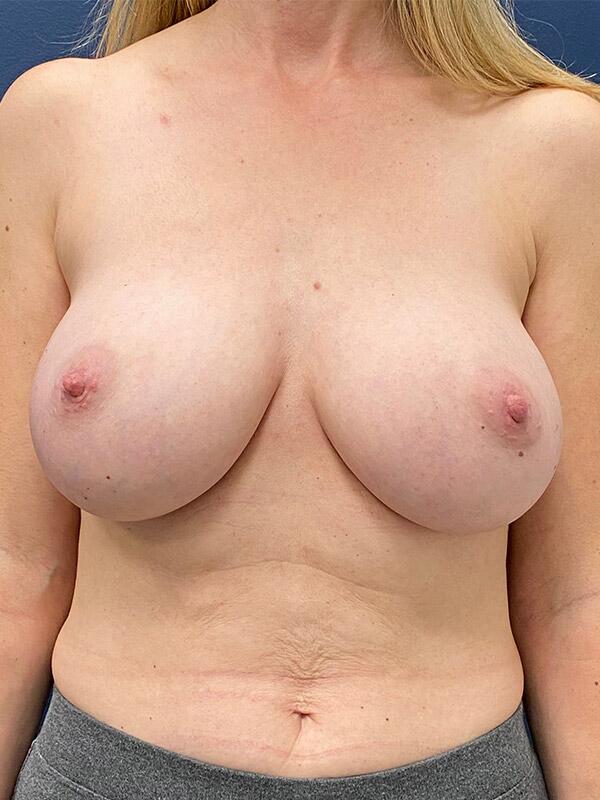
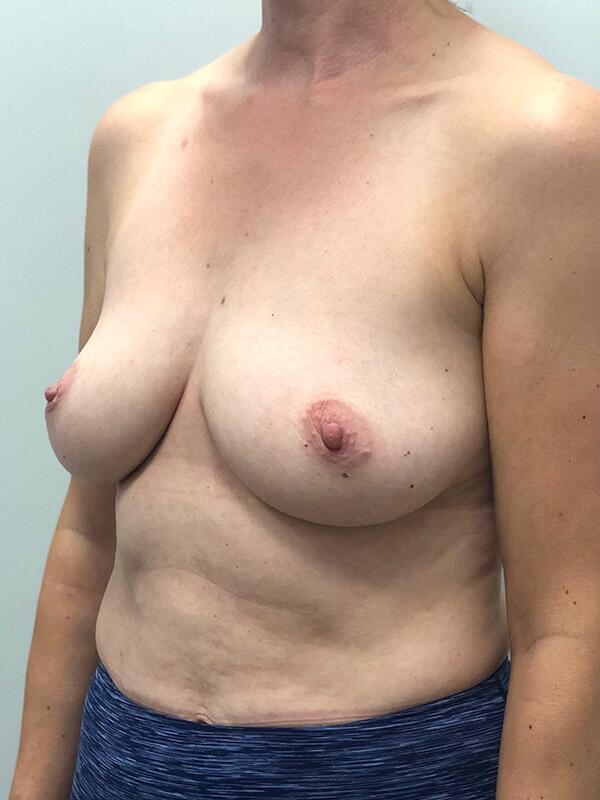
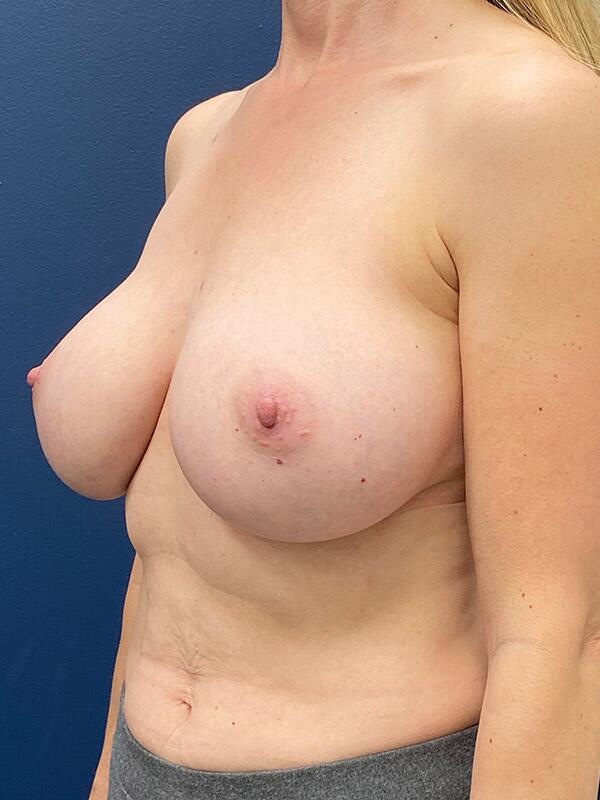
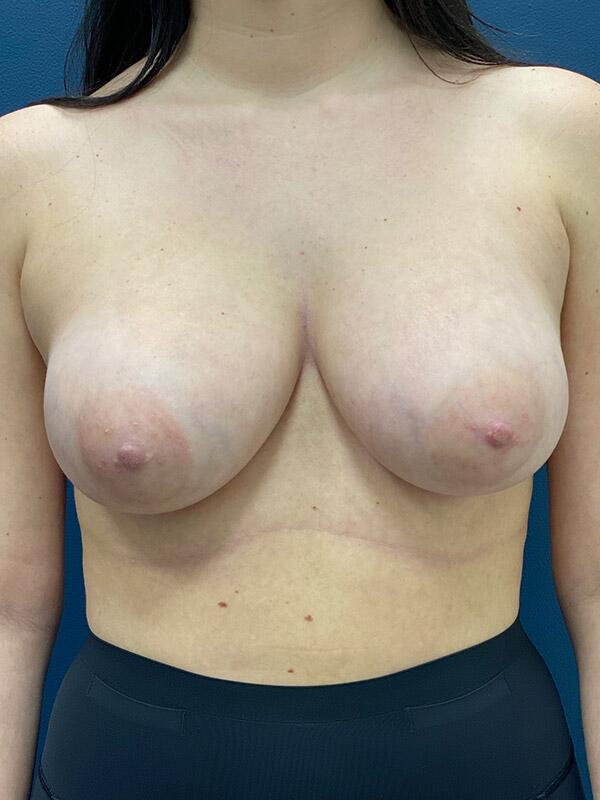
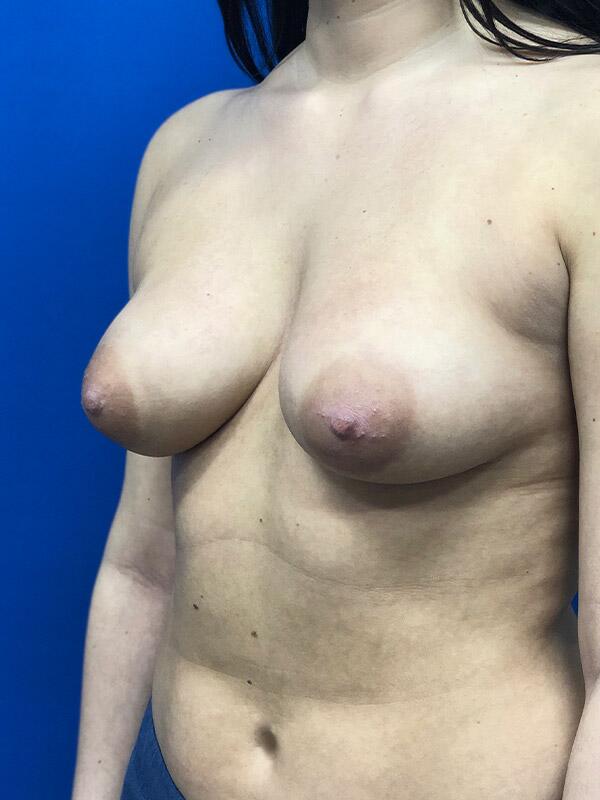
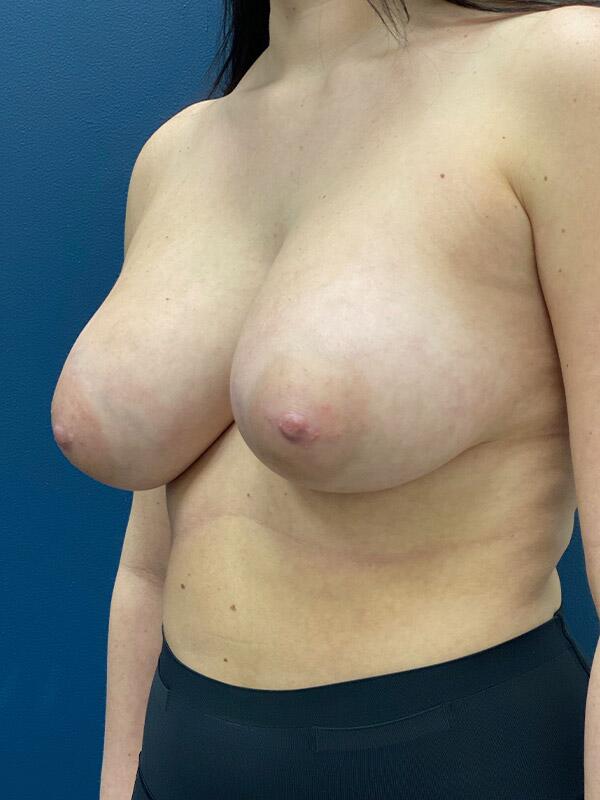
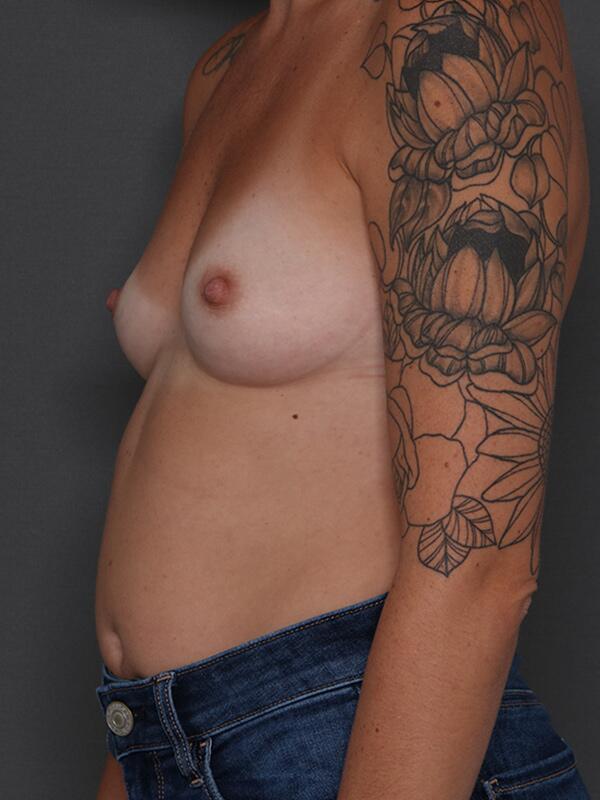
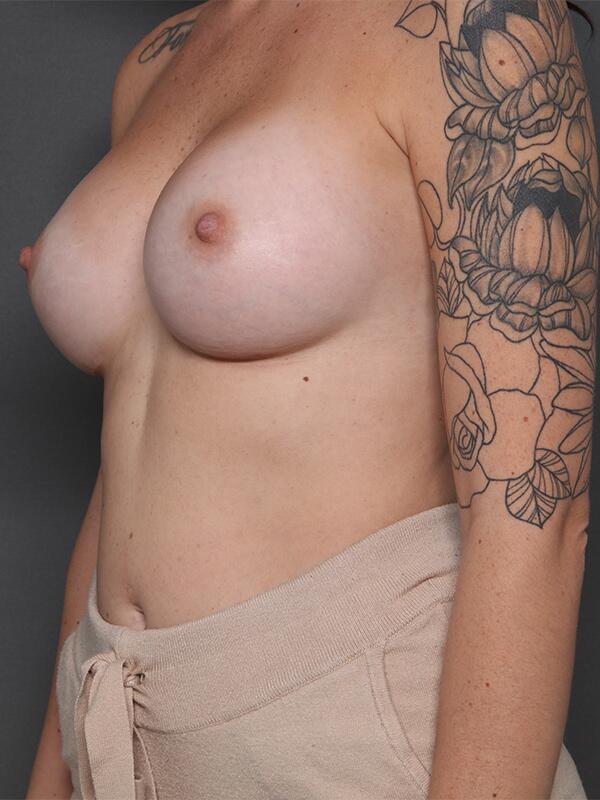
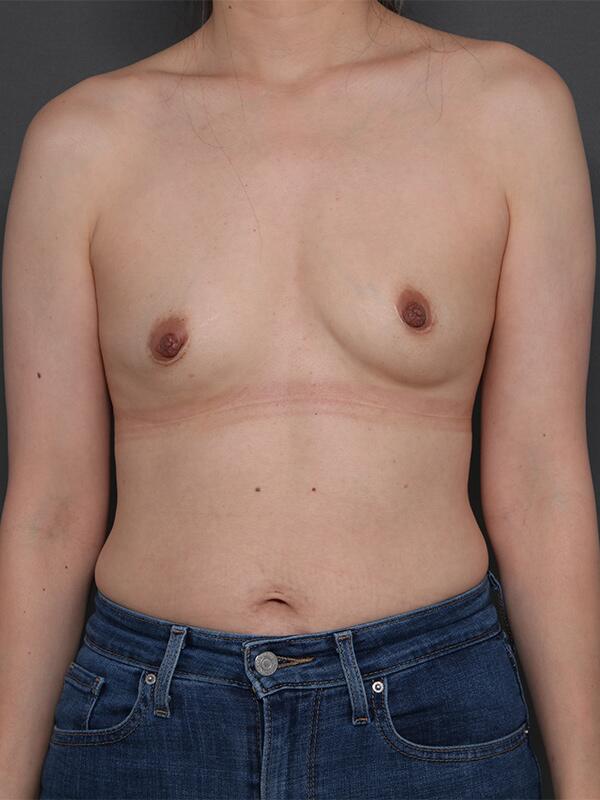
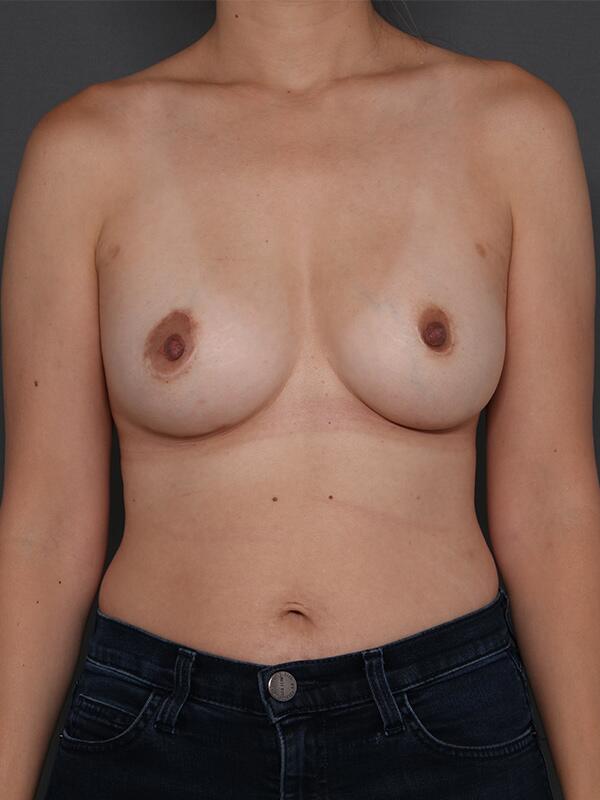
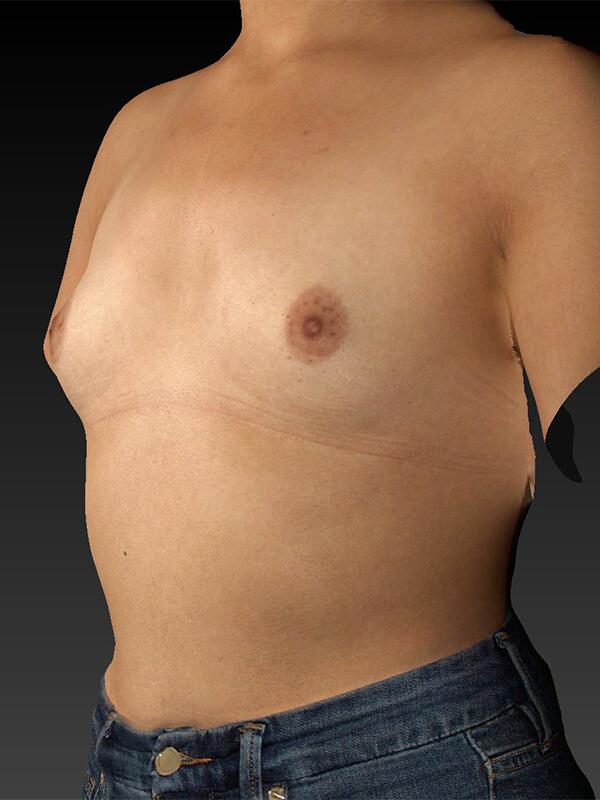
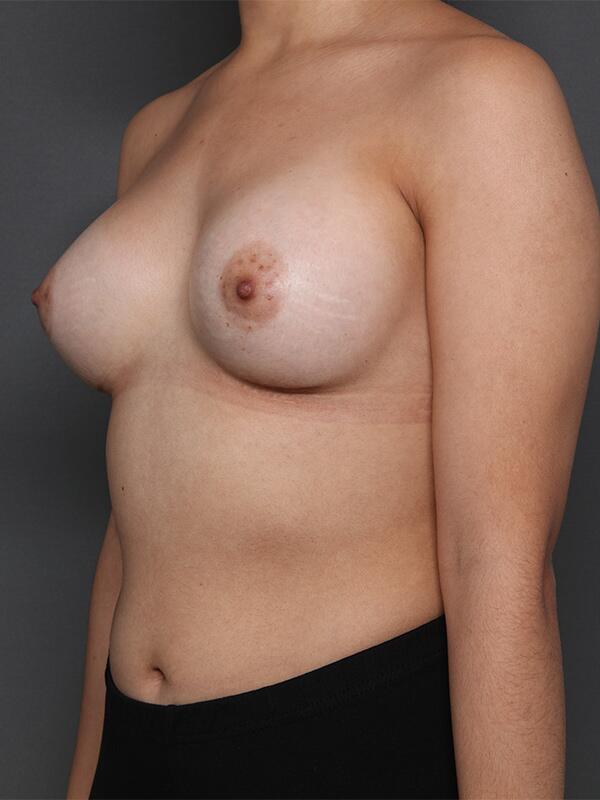
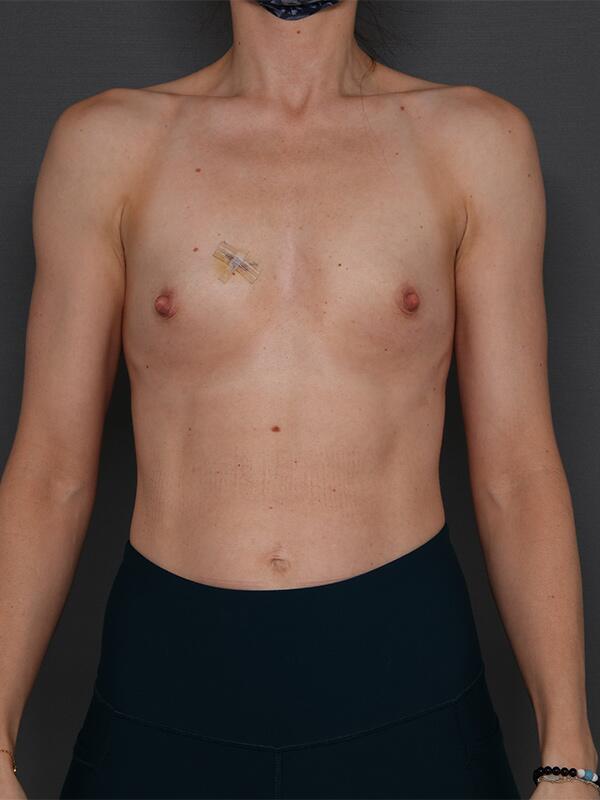
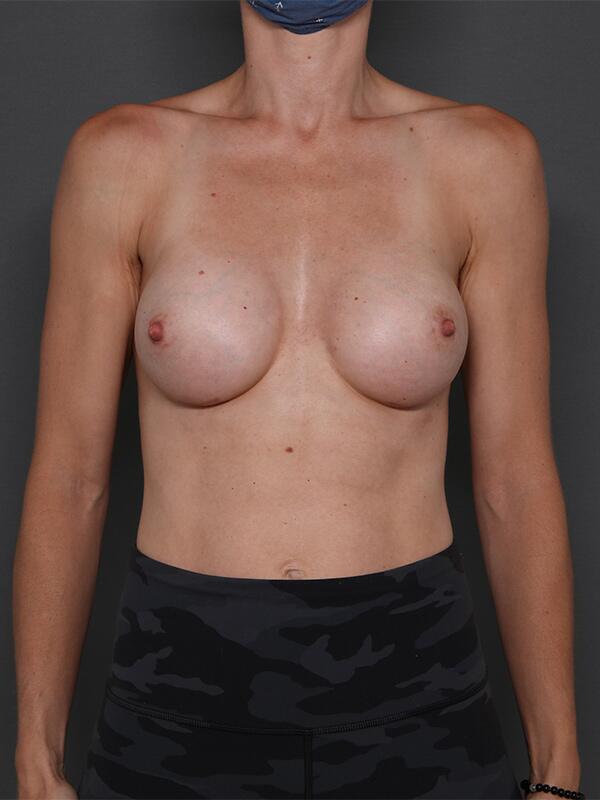
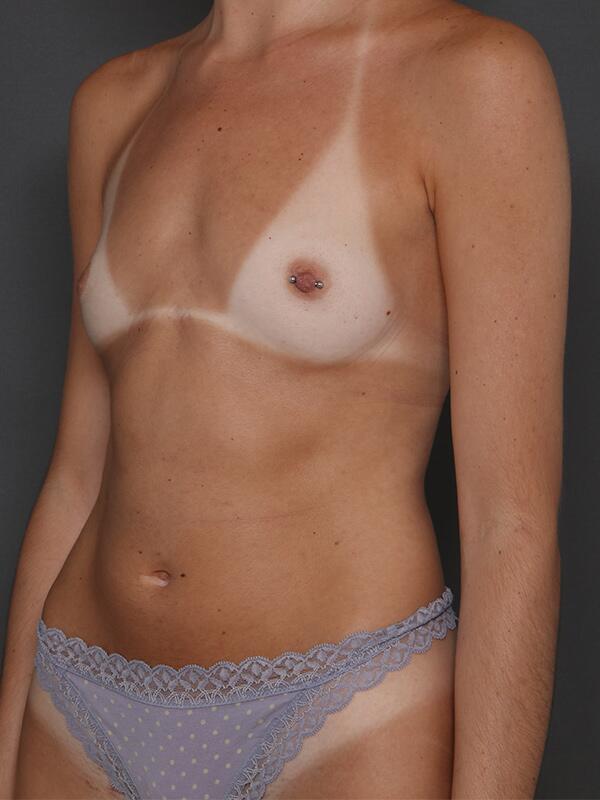
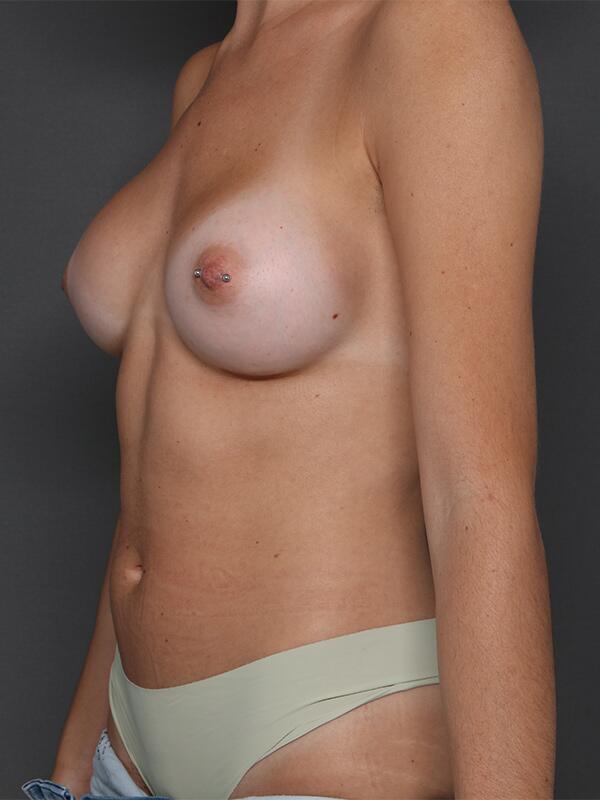
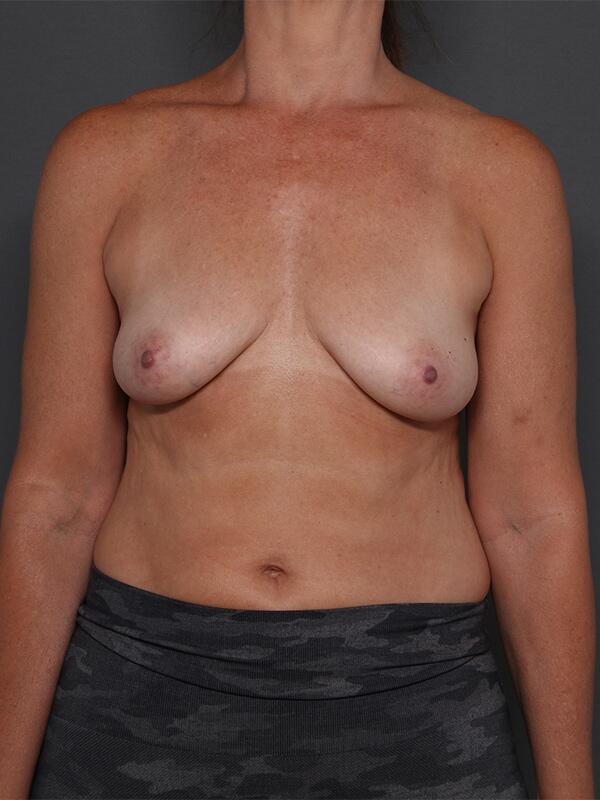
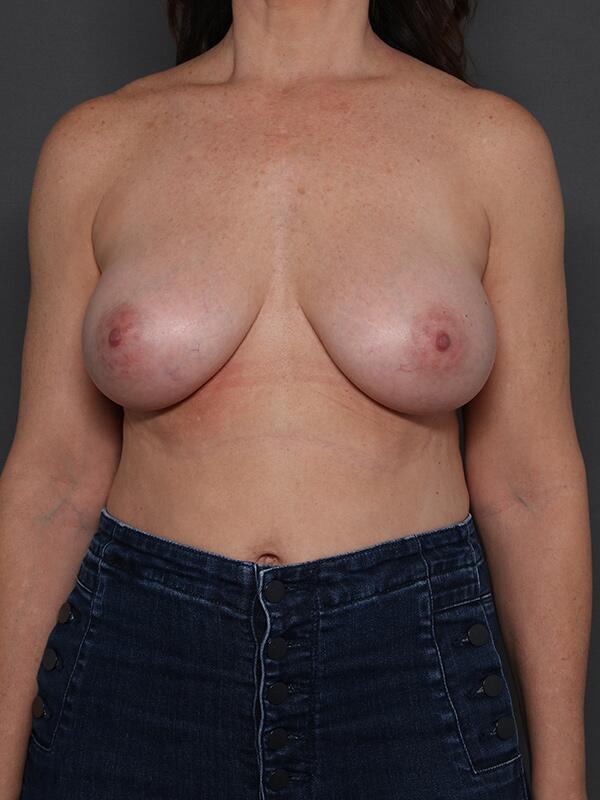
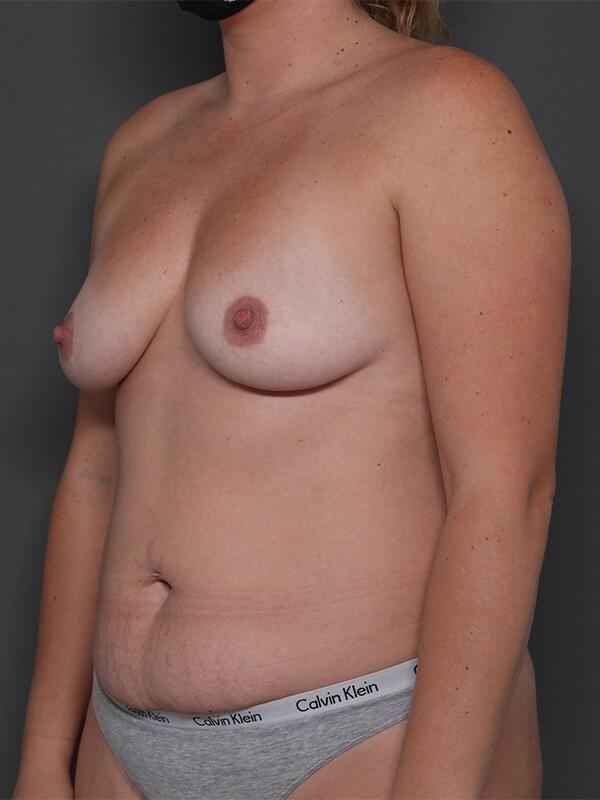
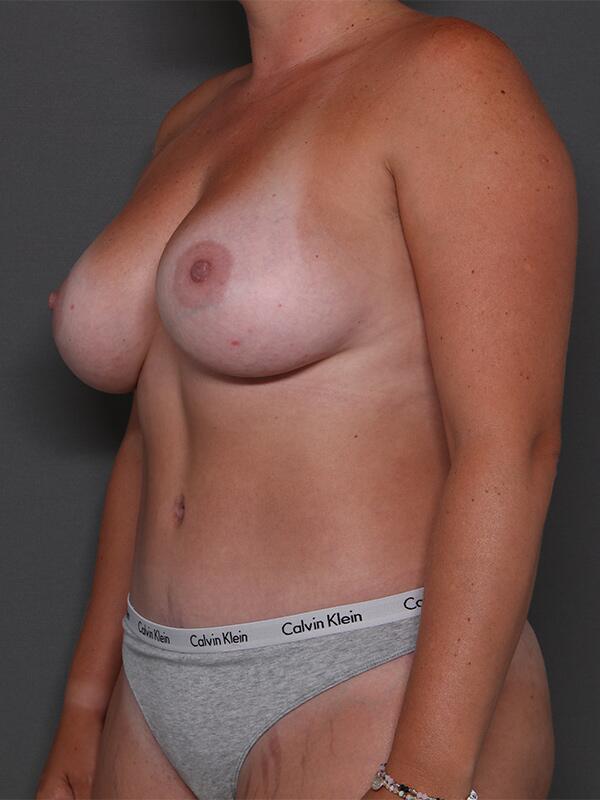
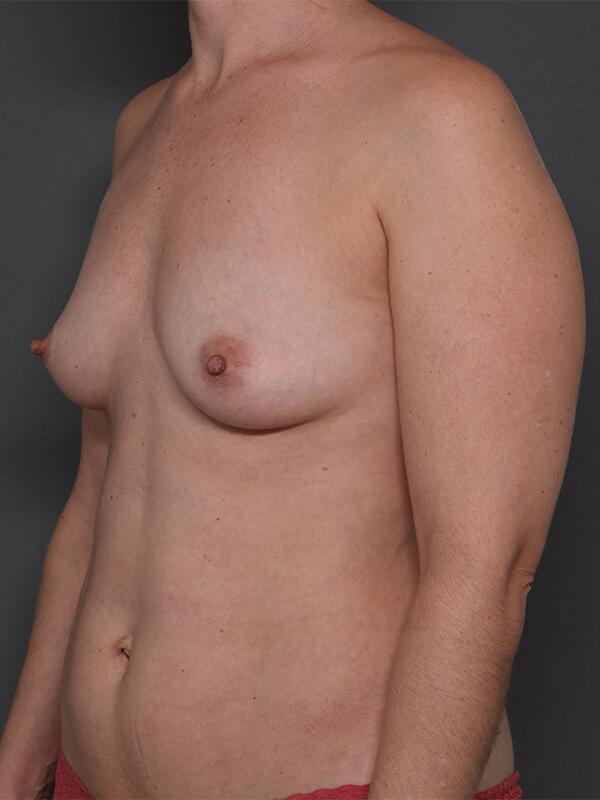
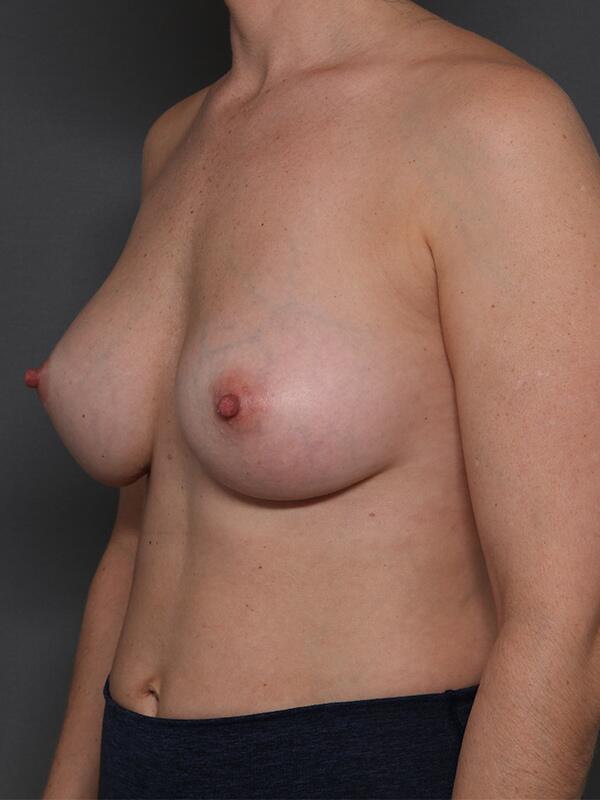
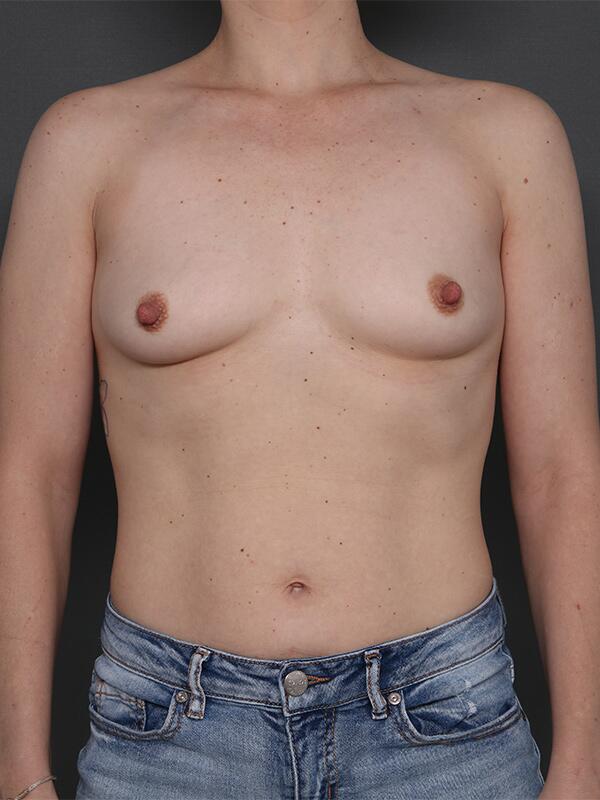
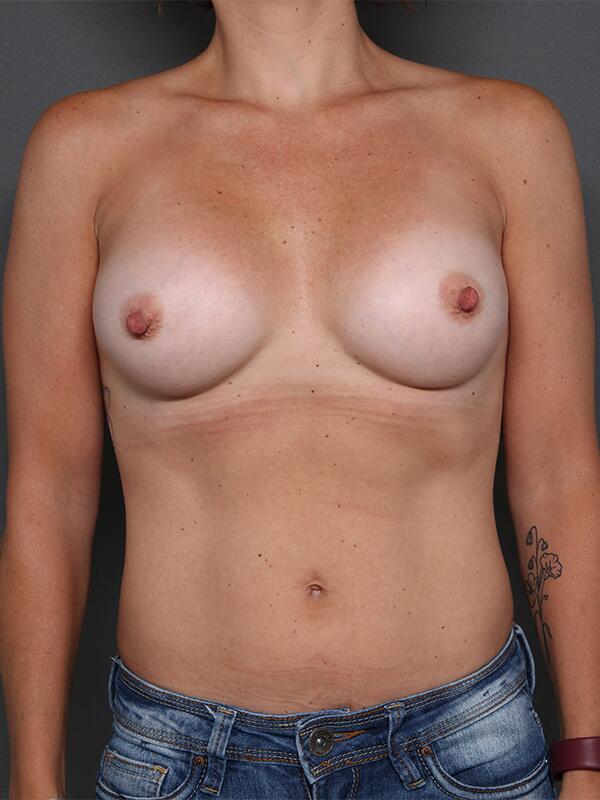
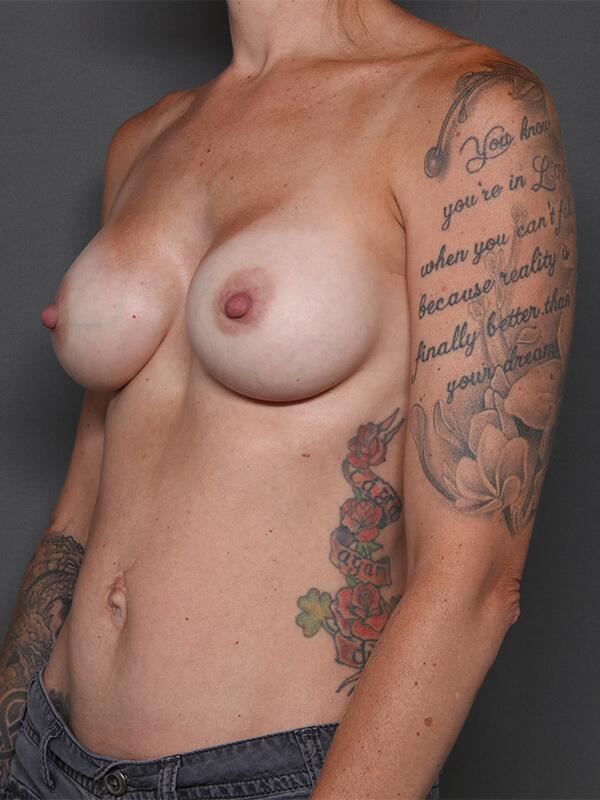
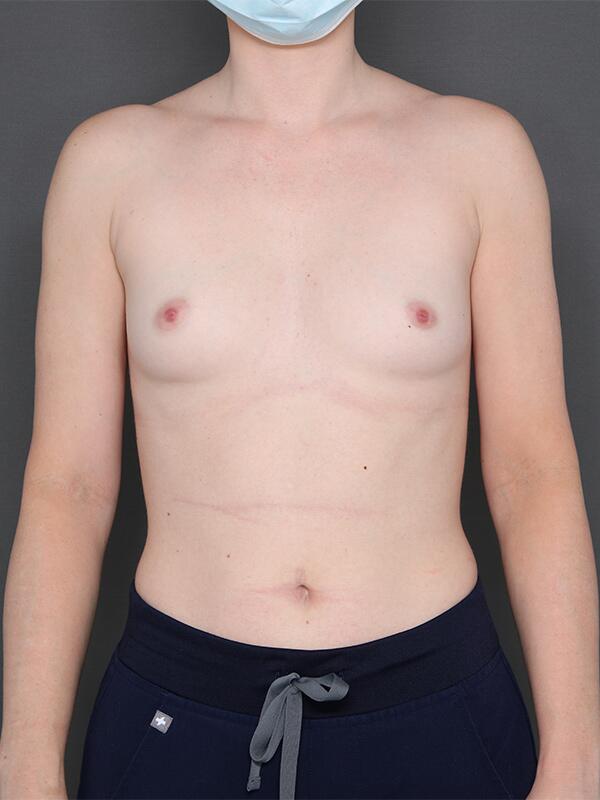
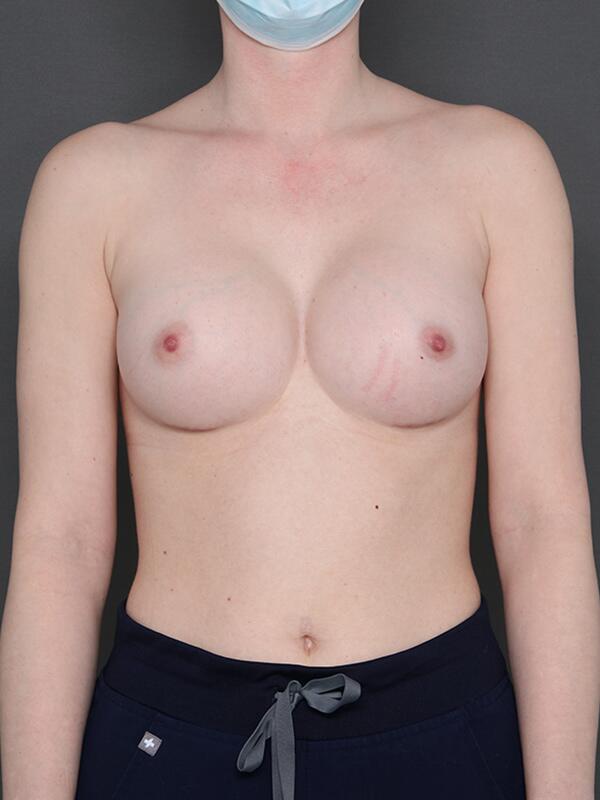
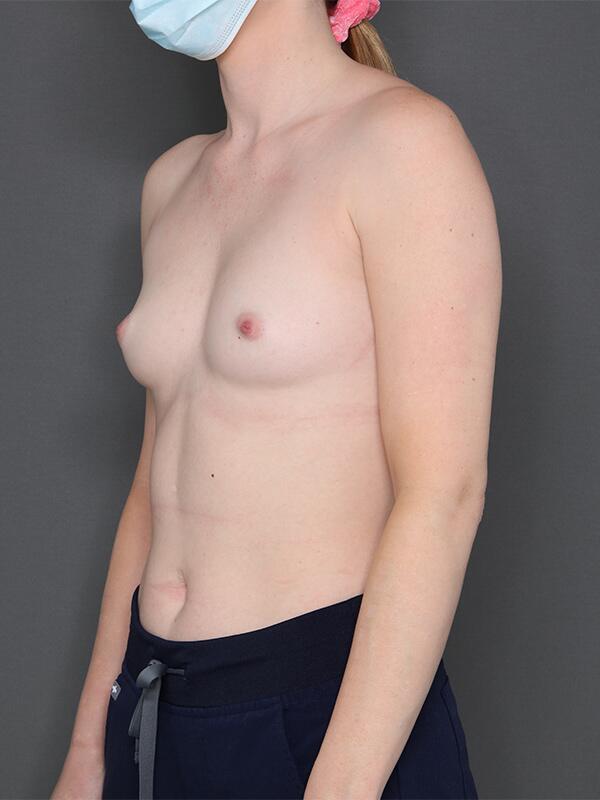
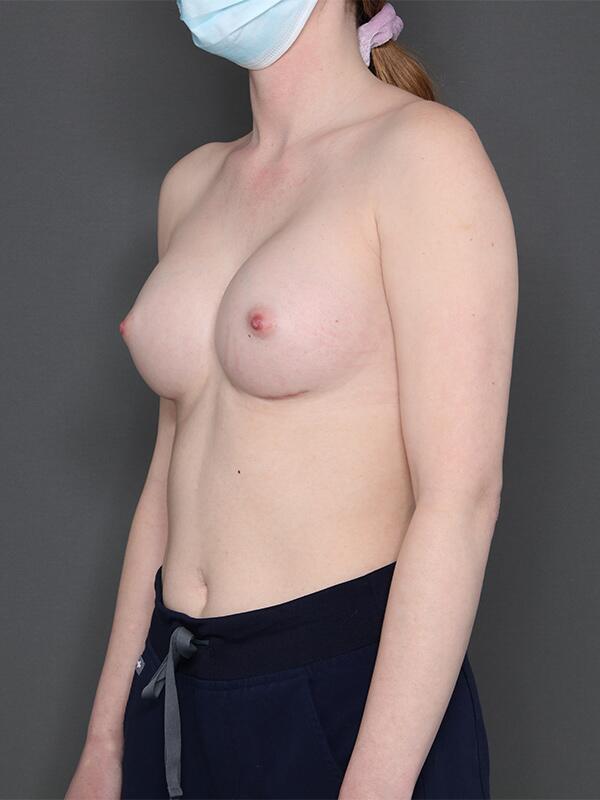
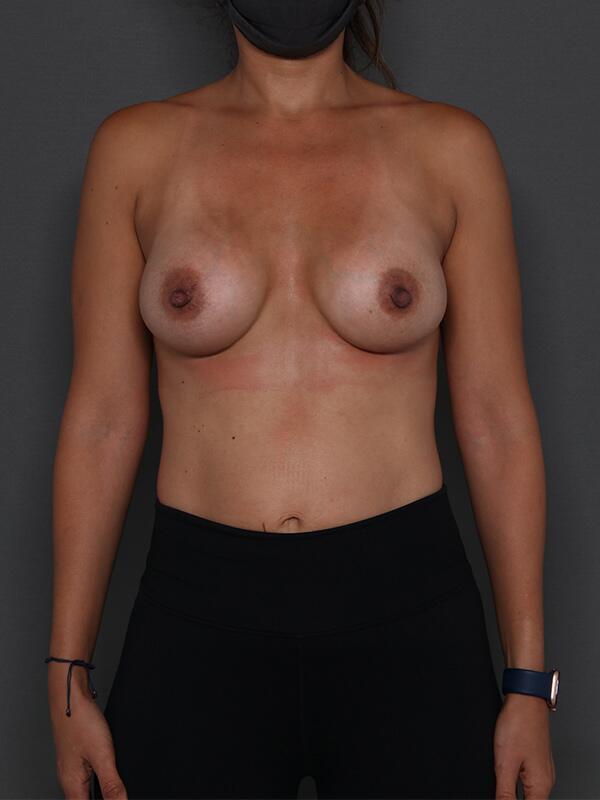
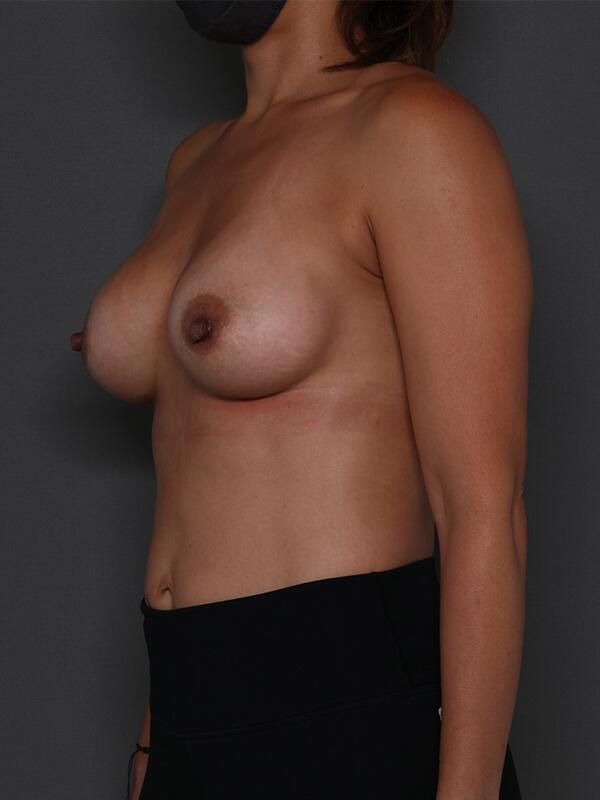
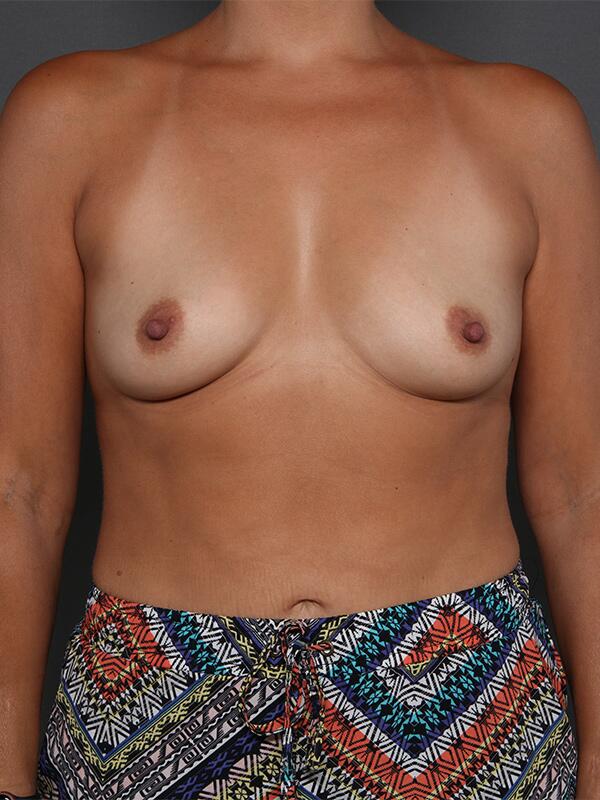
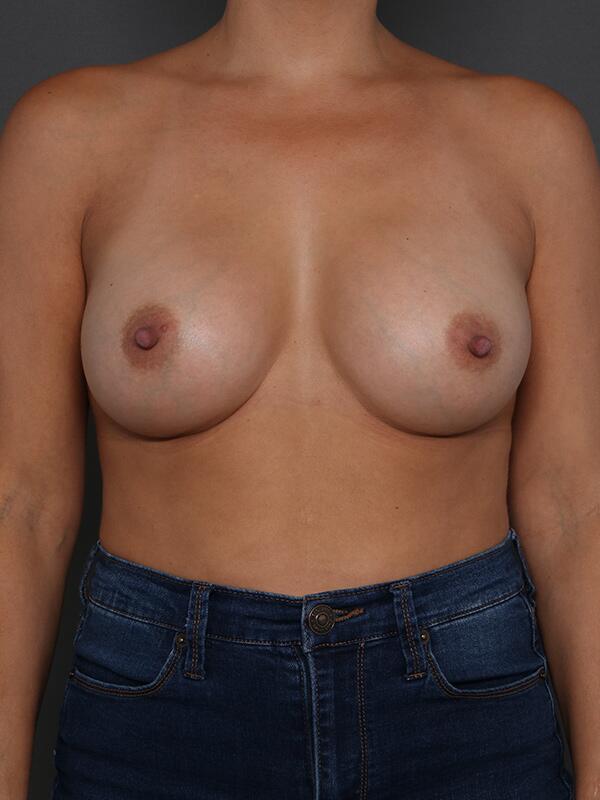
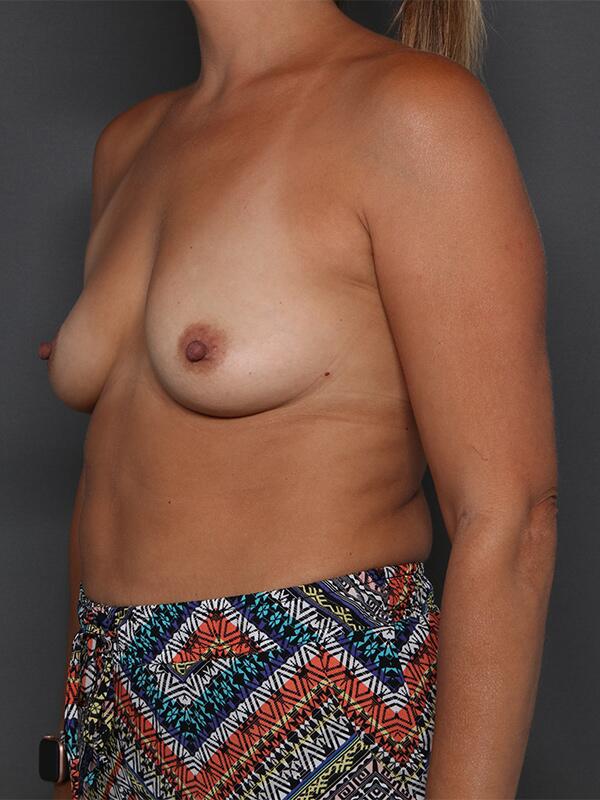
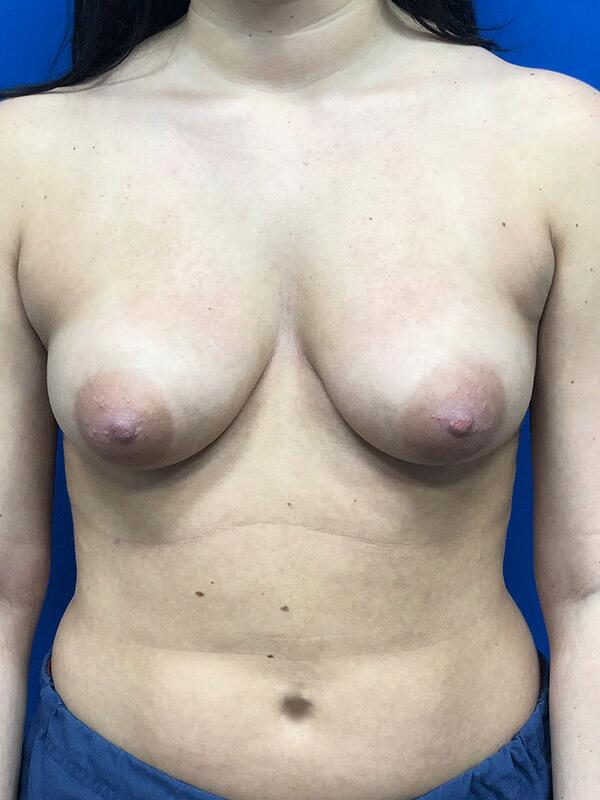
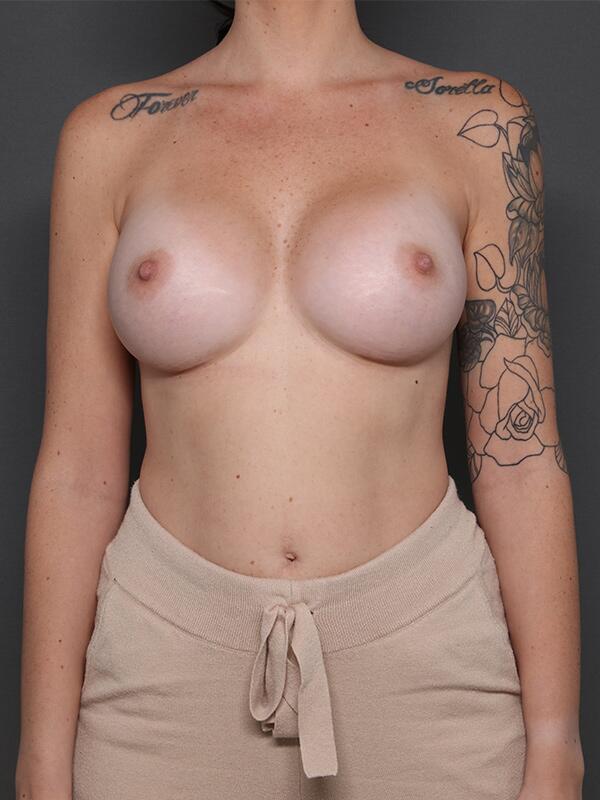
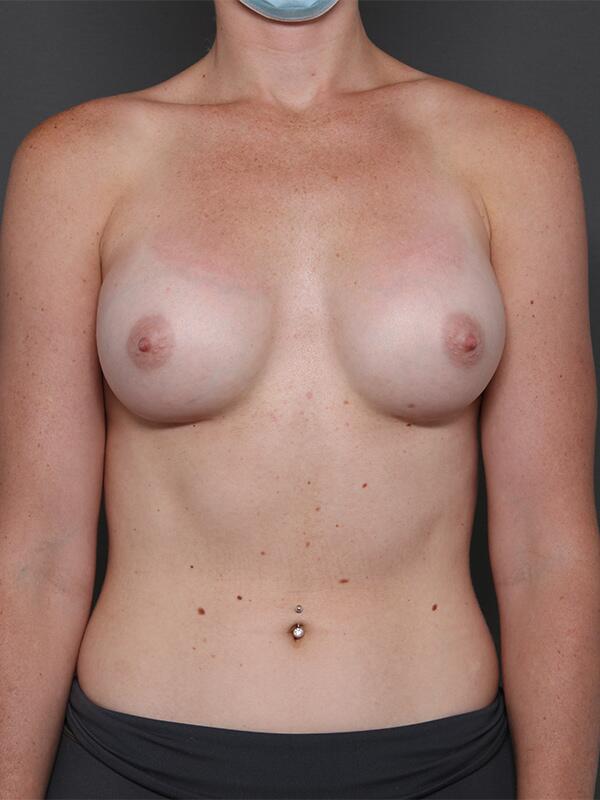
You will notice immediate breast augmentation results, but it may take weeks or months before the full benefits of your breast augmentation are realized. Part of the reason is that it takes time for the breasts to "drop" and settle following surgery. One "result" is that you may need to buy new clothes to showcase your new contours!

Breast Augmentation FAQs

Is breast augmentation painful?

Most Philadelphia breast augmentation patients report that the procedure and recovery are much less painful than anticipated. While over-the-counter drugs are typically sufficient for pain management, our surgeons can prescribe stronger medication as appropriate.

Are there risks?

All surgeries come with risks, such as infection, excessive bleeding and scarring, adverse anesthesia reactions, and allergic reactions to medications or surgical materials. Risks specific to breast augmentation include:

  • Changes in breast and nipple sensation
  • Implant leakage
  • Changes in implant positions

Have a thorough conversation about risks with your surgeon before scheduling your breast augmentation.

How long do breast implants last?

Typically, breast implants can last for up to ten years or more before needing replacement.

Can I breastfeed following breast augmentation?

Many women are able to successfully breastfeed following augmentation, but others have described it as "difficult" or "challenging."

Will my nipples get larger following breast augmentation?

In most cases, the areolas do not change significantly in size. They might stretch slightly because of the increased volume of the breast, but significant size changes are rare.

Will I have scars after breast augmentation?

Yes. But the breast augmentation scars will be few, tiny, and virtually unnoticeable. Our surgeons' advanced surgical skill and eye for aesthetics enable them to hide incisions in your natural skin folds, which helps hide or reduce the appearance of the scars.

How many cup sizes will I gain?

Breast implants are sized by volume, as measured in units of cubic centimeters (CCs.) The number of cup sizes you gain will be determined by the bra size and breast shape you are starting out with, the size of your torso, and more. So, there is no accurate rule for a "per cup" size increase. Discuss your goals with our surgeons, and they can size your implants accordingly.

How long will it take for my breasts to "drop" following breast augmentation?

If your implants were placed underneath your chest muscles, they may seem to rest high on your chest at first but will then drop and settle into their optimal position in a couple of weeks.

What's the difference between breast augmentation and breast implants?

"Breast augmentation" refers to any procedure that enlarges your breasts. Breast implants are a means of augmenting the breasts. So, breast implants can be used during breast augmentation, but breast augmentation doesn't necessitate their use.

What if I don't like my augmentation? Can I have revision surgery?

Yes, you can. And remember that implants generally need to be replaced every decade or so anyway.

Will my insurance pay for my breast augmentation?

Breast augmentation is considered a cosmetic procedure, and as such, your insurance will typically not cover the costs. However, there are occasional medically necessary procedures, such as implants inserted after a mastectomy. Your surgeon's office will help you determine if you qualify for insurance benefits.

How much does breast augmentation cost?

The cost of breast augmentations varies based on your unique goals and the details of your procedure. Contact us to receive a personalized quote during your consultation.


Doctor Ran Stark Philadelphia plastic surgeon
real self verification badge

Meet the Doctor

Ran Stark, M.D. is double board-certified Philadelphia plastic surgeon, certified by the American Board of Plastic Surgery and the American Board of Surgery. He completed more than 10 years of additional training and residencies after completing his medical degree to become one of the foremost plastic surgeons Philadelphia and the surrounding area has to offer.

His keen attention to detail, artistic eye, and practiced hands help him give his patients consistently exemplary results - but the difference is also in his manner. Dr. Stark makes your goals his own. He will always do the utmost to help you uncover the greatest version of yourself.

A two-time winner of Philadelphia's Choice Award, Dr. Stark is among America's most accomplished and respected plastic surgeons. He is committed to treating each patient "with skill and sensitivity from consultation through recovery."

Meet Dr. Stark right arrow

STARK

The Aesthetic Society Logo American Society of Plastic Surgeons American College of Surgeons International Society of Aesthetic Plastic Surgery American Board of Plastic Surgery The American Board of Surgery Fellow American College of Surgeons Northeastern Society of Plastic Surgeons International Society of Aesthetic Plastic Surgery Patient's Choice Award
The Aesthetic Society Logo American Society of Plastic Surgeons American College of Surgeons American College of Surgeons American Board of Plastic Surgery The American Board of Surgery Fellow American College of Surgeons Northeastern Society of Plastic Surgeons International Society of Aesthetic Plastic Surgery The Aesthetic Society Logo American Society of Plastic Surgeons American College of Surgeons American Board of Plastic Surgery American College of Surgeons The American Board of Surgery Fellow American College of Surgeons Northeastern Society of Plastic Surgeons International Society of Aesthetic Plastic Surgery Patient's Choice Award
philadelphia plastic surgeon dr ran stark s logo

Schedule a consultation

To learn more about our breast augmentation procedure, your next step is a consultation with Dr. Ran Stark and Dr. Carey Campbell. Please call our office to set an appointment.

Philadelphia plastic surgeons Dr. Ran Stark and Dr. Carey Campbell bring decades of experience and training to each consultation. When you meet with our surgeons, they take the time to give you information and options, so you can have confidence in your decision to move forward with the best procedure for you. Confidence. Personalized care. Impeccable results. That’s the Stark Difference. Discover that difference yourself by scheduling a consultation today.
135 South Bryn Mawr Ave, Suite 220, Bryn Mawr, PA 19010

By submitting this you agree to be contacted by StarkMD Plastic Surgery & Aesthetic Center via text, call or email. Standard rates may apply. For more details, read our Privacy Policy.